{% web_view 'View in Browser' %} | Forwarded this email? Subscribe here.
AEA Newsletter
April 2025
5-minute read
Hi Friends,
We don’t know about you, but we can’t believe April is already here!
We’ve got some great updates for you this month:
Launching consulting services
A new film series
10% off bundle
An article, video, and appearance by John Kempf
But first, let’s dive into some data.
1 big thing: 🍎 How nutrition improves storage quality
While this time of year sees growers busily prepping fields and planting crops, many are still selling last year’s harvest.
For some fruit and vegetable growers, that means warehouse discoveries of the squishy, squelchy, and generally squalid variety.
If you’re in this group, we’ve got great news for you: crop nutritional management really improves storage quality.
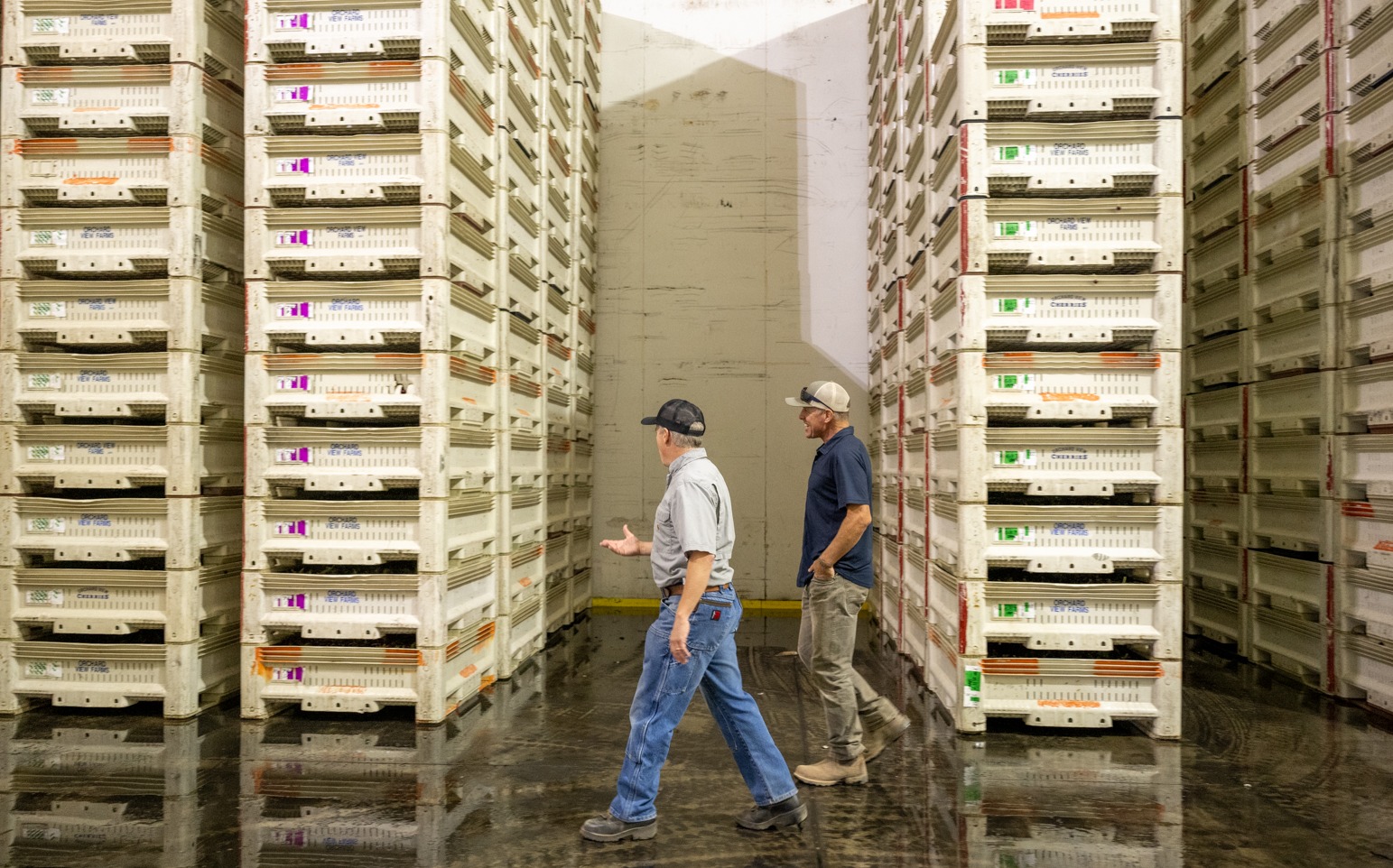
We recently published a case study with data from an orchard we’ve been working with. They had initially reached out to us for help improving their fruit storage quality: they consistently rated the poorest at the packer’s.
After four years working with AEA, they’re now in the top 1%.
The background:
The orchard is on poor, sandy soil, and is near a river, where there is little difference between day and night temperatures, so the fruit has trouble coloring.
We aimed to increase calcium and decrease nitrogen in the finished fruit, while moderating potassium and magnesium.
What we did:
We started the orchard on our full program of nutrition and biology, including soil primers, fertigation, and foliar sprays informed by sap analysis. We also recommended major changes to the orchard’s annual soil amendment program.
Our goals were to:
get as much calcium as possible into the fruitlets around the time of bloom
provide adequate boron to improve calcium translocation
limit nitrogen applications
supply adequate micronutrients to process available nitrogen
delay potassium applications until later in the season
What happened:
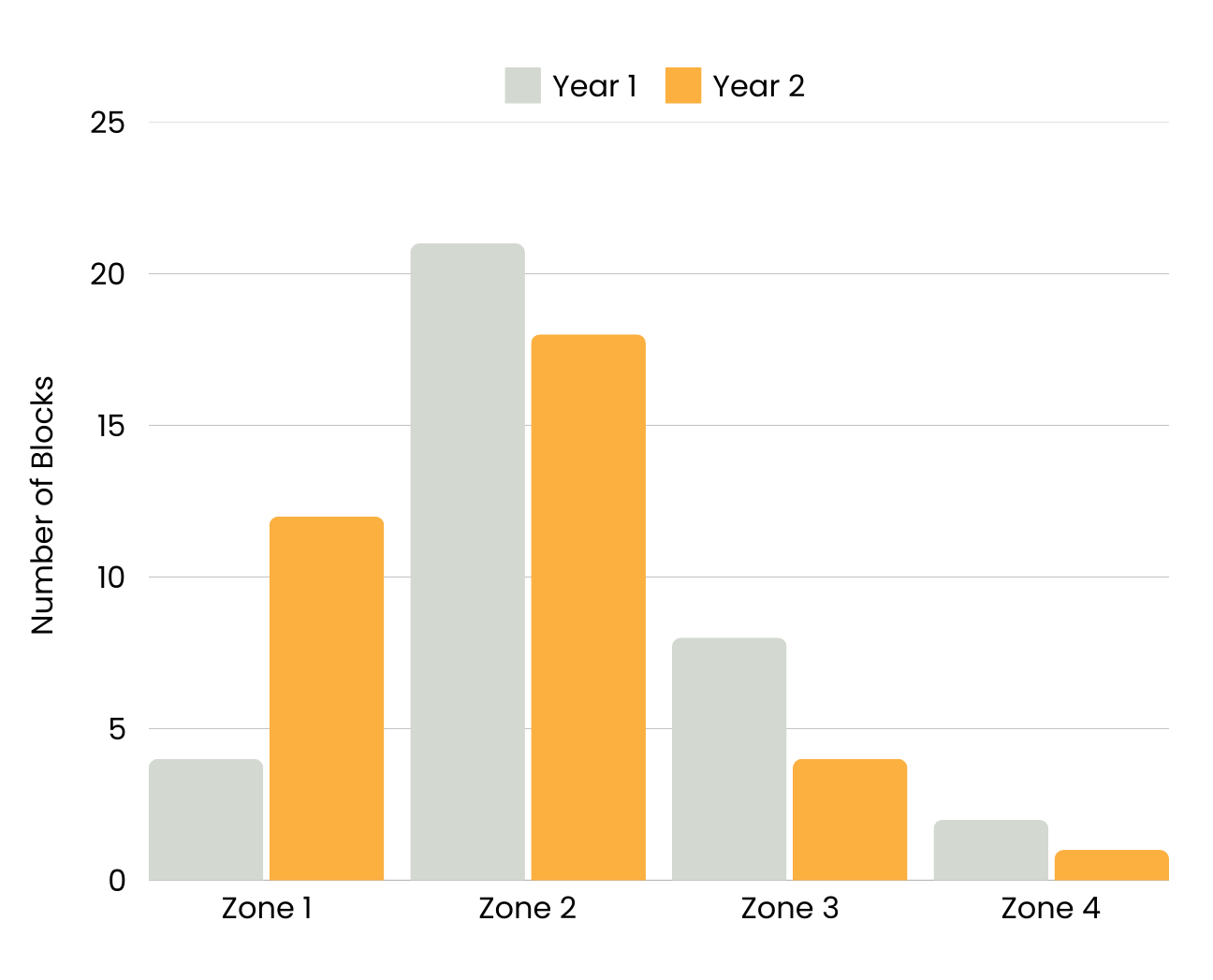
The orchard tests apple storage index with Brookside Labs, which categorizes storage index into 4 zones, with Zone 1 being the best and Zone 4 being the worst.
After just one year on the AEA program,
The number of blocks in Zone 1 tripled
The number of blocks in Zones 3 and 4 were each cut in half
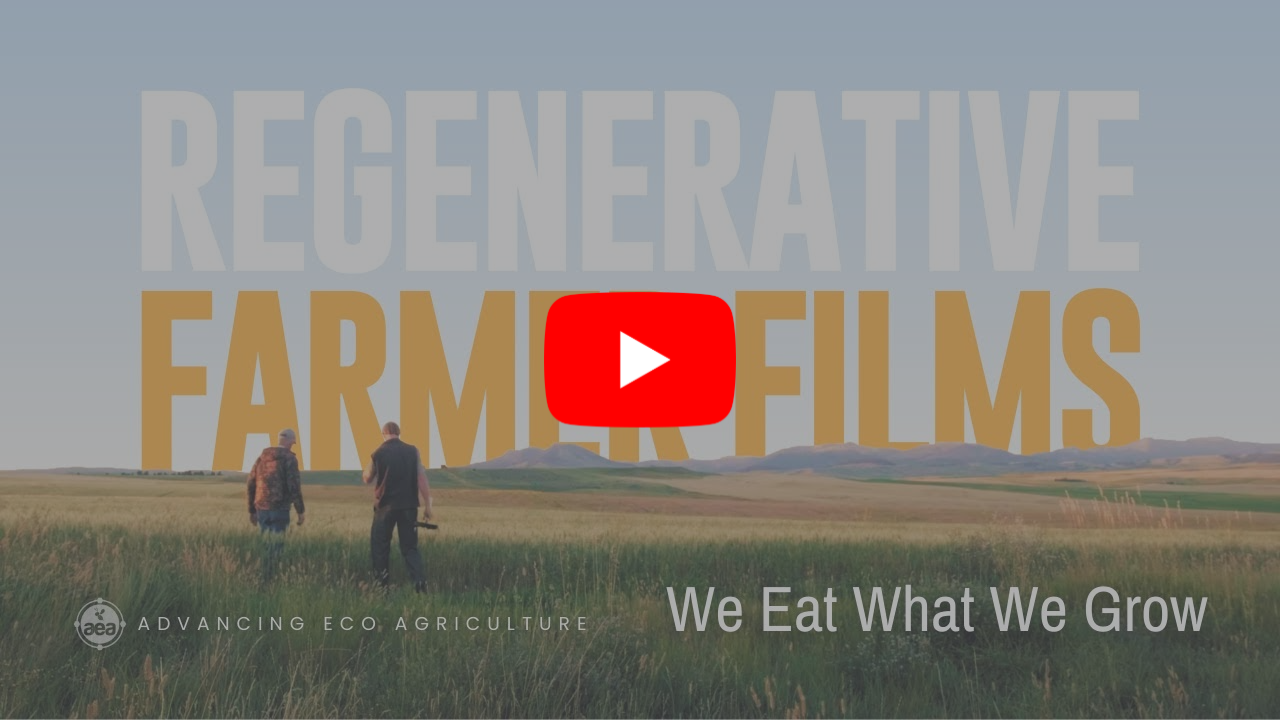
This year we’ll be releasing film profiles of AEA farmers on their regenerative journeys.
Today, we introduce the Bays family, who farm 1,800 acres in Wilsall, Montana. In this film, John Bays and his daughter Sadie Collins share how they got started in regenerative agriculture, the successes they’ve seen with crops over-wintering and insect resistance, the importance of growing nutrient-dense food, and how they’re positioning their products to stand out in the marketplace.
(Props to our in-house videographer extraordinaire, Phil Kraus, who’s behind these gorgeous films.)
AEA was founded by John Kempf as a consulting company over 15 years ago. When he wasn’t able to find effective products for his clients, he made them himself in an Amish barn. Our model became one where growers had to buy products to have access to our consulting services.
Now, we’re honoring our roots, and re-introducing standalone AEA consulting, with no need to buy products.
Because the goal of regenerative agriculture is to reduce the need for inputs over the long-term, we wanted to untether consulting from product sales.
It also emphasizes what is most important to us: long-term relationships with our growers that prioritize their financial success.
This year, we’re taking on consulting work with select growers. Packages start at $25,000.
“Good stewardship is not about minimizing disturbances, but about optimizing disturbances to produce the best ecosystem and productivity outcomes,” argues John Kempf in his latest article for Acres U.S.A. magazine.
It’s a thought-provoking piece that will re-orient how you think about soil disturbances like tillage and fertilizer.
“Disturbance is a reset action that can lead to greater soil and ecosystem health and productivity when used wisely. And disturbance can also reset soil and ecosystem health backward when not used wisely.”
John goes on to explain when and how to use conscious soil resets, and the need to evaluate the merits of reset actions based on the quality of outcomes they produce.
Interesting links, stories, and articles we’ve been reading this month.
Beef Nutrient Dashboard | Edacious and the Bionutrient Institute Novel data in a gorgeous presentation. We’re looking forward to seeing more like this.
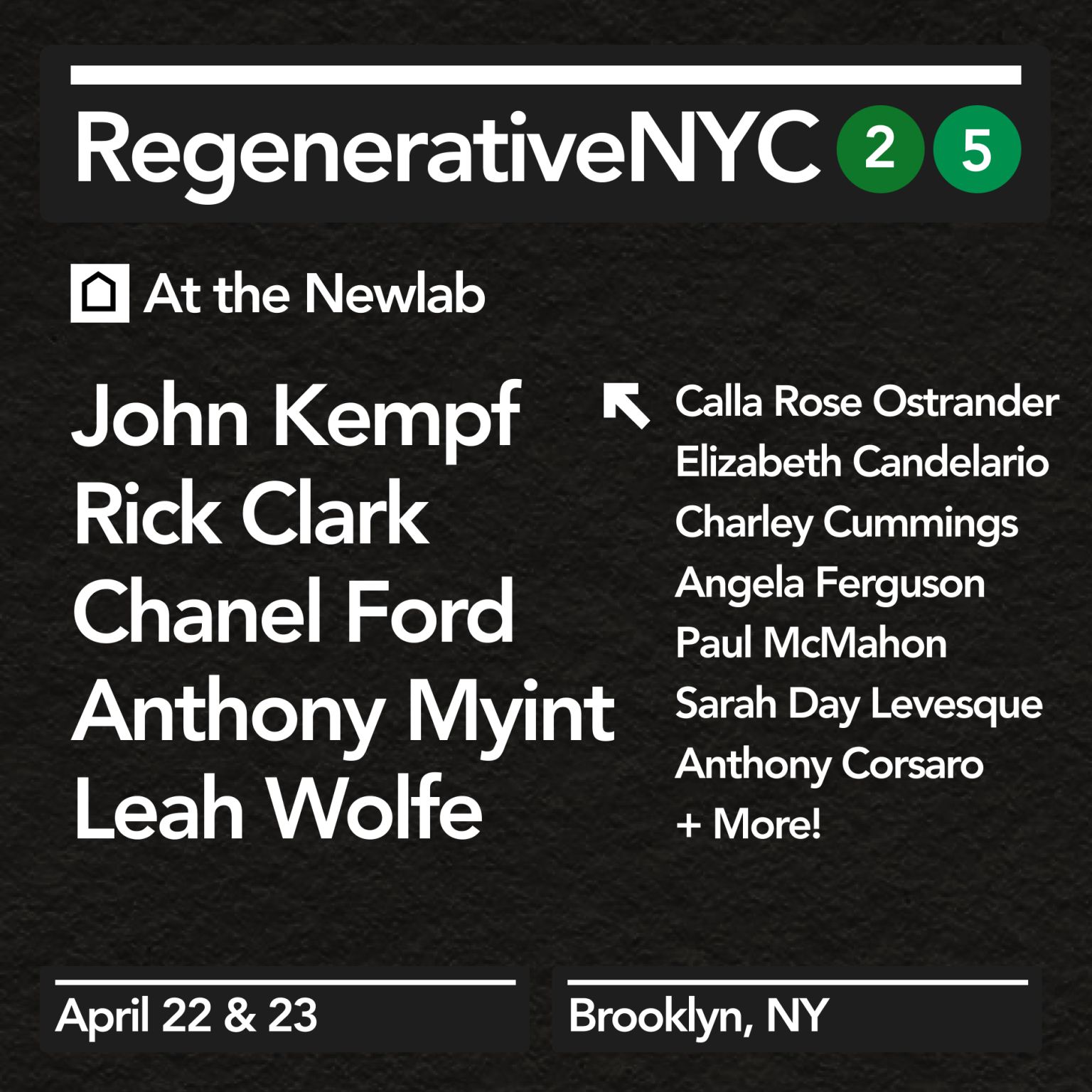
John Kempf is one of a great group of speakers at RegenerativeNYC.
April 22-23 (Earth Day!)
Brooklyn, NY
John’s topic, “Is Year 1 Profitability Possible?” will argue that, contrary to the common belief that yield declines during a regenerative transition, farmers can actually maintain yields and improve harvest quality with careful agronomy management.