{% web_view 'View in Browser' %} | Forwarded this email? Subscribe here.
AEA's monthly newsletter
July 2025
5-minute read
Hi Friends, 
 
It's been a tough season for growers around the country. Too much rain, too little rain, financing difficulties, and market uncertainties have all piled on to an already challenging occupation.
 
At the same time, we've continued to see regenerative systems deliver incredible results, from record cherry crops to heat resistant blackberries to superior corn growth, all of which steels our resolve to spread the word far and wide.  
 
We've got 7 items for you this month. Enjoy! 

1 big thing: 🤖 FieldLark AI available for Beta users
John Kempf has been dreaming of an AI agronomist for a decade. Now it’s finally here. 
 
FieldLark AI​is the world’s first regenerative AI agronomist, built by AEA to bring decades of in-field expertise and biological insight to your fingertips.
  • We trained a large language model on two decades’ worth of our data; including sap results, publications, podcasts, research, and field notes. 
  • Whether you're troubleshooting soil health, fine-tuning foliar timing, or exploring nutrient strategies, FieldLark AI delivers real-time, biologically sound answers—anytime, anywhere.
FieldLark AI is a key part in achieving our mission of scaling regenerative agriculture to become the global norm. 
  • The single greatest challenge we face is agronomic bandwidth. We want as many people as possible to have access to our expertise. 
  • FieldLark AI helps democratize agronomic insight, making regenerative support available anytime, anywhere.
Applications for Beta access are now open. 
  • You can be among the first to use the tool and help us refine it before a wider release! 
  • We’re actively building more robust features, like recommendations of AEA products and specific protocols, advanced crop modelling insights, and more.
Apply for Beta access

2. 🚜 Major study finds Regenerative Farms “more productive and efficient”
A pernicious myth about regenerative agriculture is that it’s less efficient and more expensive than conventional. 
  • This runs counter to everything we’ve observed and taught over the past 20 years. 
  • We’ve consistently seen farms improve productivity. 
Thankfully, we’re not alone. 
 
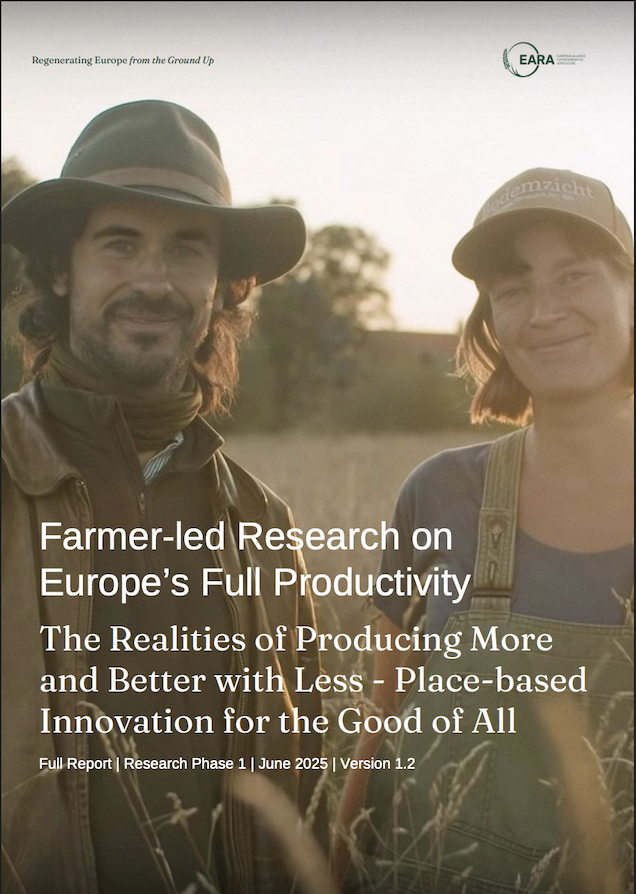
This month, the European Alliance for Regenerative Agriculture (EARA) released results from a massive 4-year study ​involving 78 farms in 14 countries covering over 7,000 hectares (17,000 acres). 
  • It found that farmers can produce “significantly more food for less”  by transitioning to regenerative practices.
Results include: 
  • +33% higher productivity on average, with gains up to 52%.
  • Equivalent yields with major input reduction: Regenerative farms averaged just a 2% lower yield, and used 61% less synthetic nitrogen fertilizer and 75% less pesticides, while making 20% higher gross margin per hectare.
  • Stronger ecosystem performance: 25% more photosynthesis, 24% more soil cover, and 16% greater plant diversity.
Read the full study here

3. 🍈 Managing nutrients on continuously-fruiting crops
We often tout the efficacy of timing nutrient applications to a plant’s Critical Phase of Influence: moments in developmental cycle like flowering or fruit fill, when nutrients can have an outsized impact on yield and quality. 
 
But things get tricky in crops that fruit continuously—like tomatoes or soybeans—which flower over a longer period and thus can be in multiple phases simultaneously: flowering, fruit set, and fruit fill all at the same time. 
  • An advantage these crops have is genetic fluidity, where they can greatly increase the number of buds on each reproductive node with the proper supportive nutrition. 
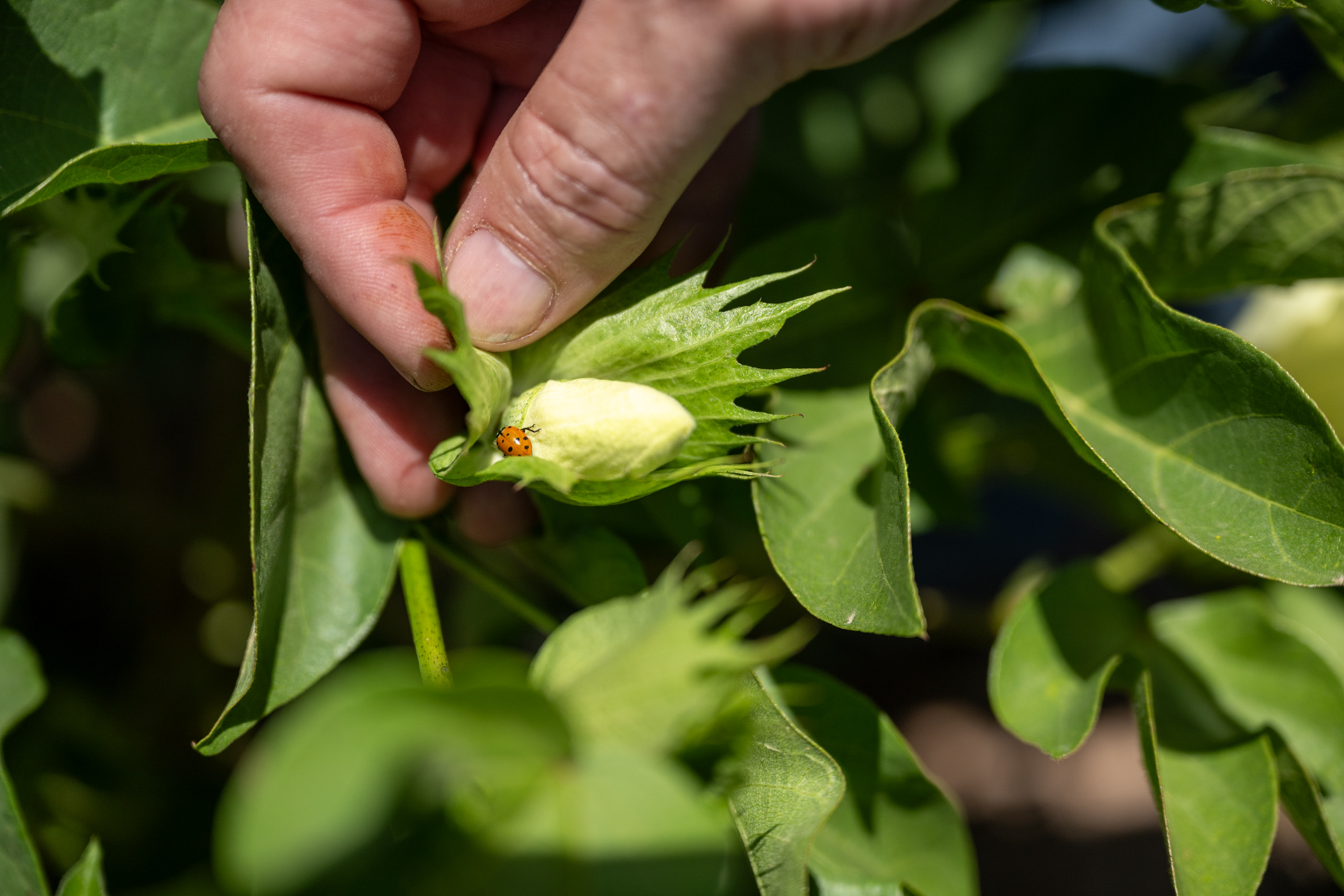
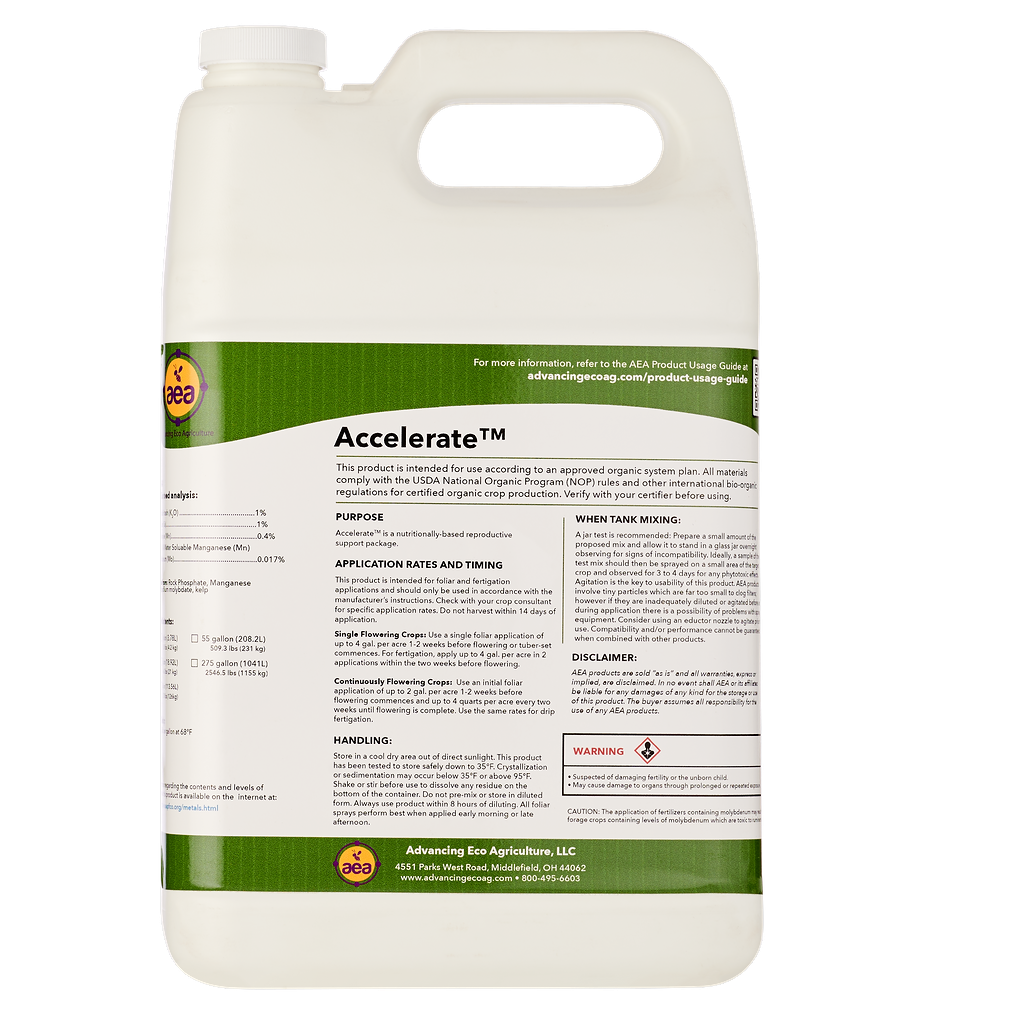
One of our most reliably beneficial products on multiple-fruiting crops is Accelerate™, which delivers a wide range of nutrients needed by plants during blossoming. Growers have seen tremendous success using Accelerate on crops including cotton, soybeans, tomatoes, and melons. 
 
We ran a controlled trial on cotton last year testing 13 variations of rate and timing of Accelerate, with no other changes to the grower’s standard program. Here’s what we found: 
  • All 13 trial variations delivered a yield increase over the control
  • Earlier applications–at the pinhead square stage–gave the most ROI: up to 11.5x
  • Product costs as low as $6.40 per acre delivered a 10x ROI
AEA Ambassador and soybean grower Cole Neese says Accelerate is the AEA application he’s seen the most impressive results from. “The pod count was close to double. The pods just kind of exploded after [Accelerate].” 
 
Accelerate™, especially when applied as early as possible, is clearly a very cost-effective option for growers of cotton and other multiple-fruiting crops to improve profitability, even with no other changes to their management practices.
 
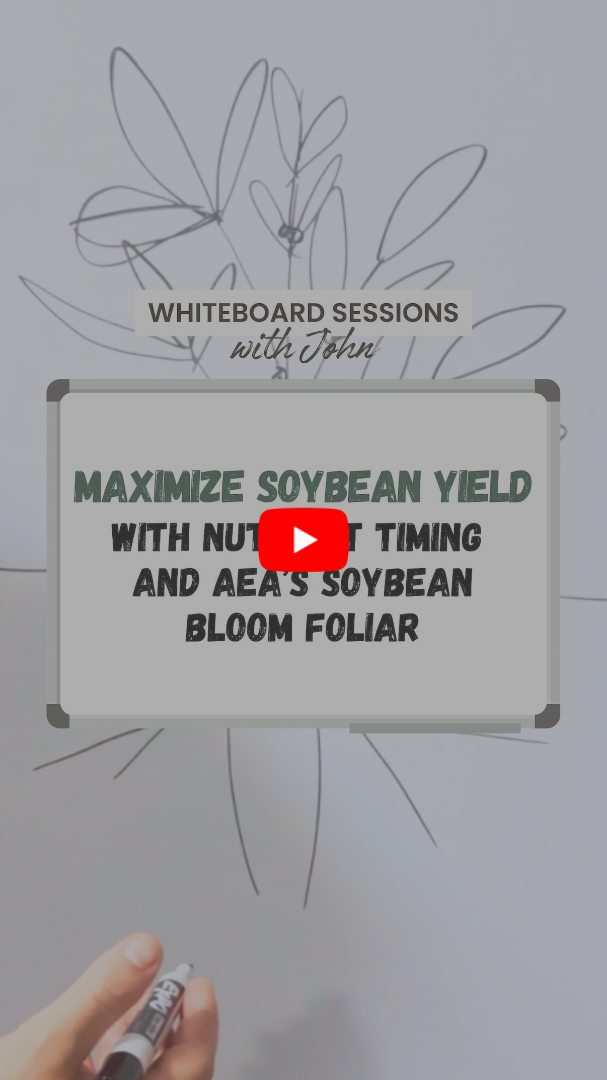
John Kempf recently posted a whiteboard video explaining the benefits of Accelerate, especially when supported with nutrition that can fill out the increased pods. 
Image of Accelerate™ - 1 Gal
Accelerate™ - 1 Gal
Shop now
Image of Accelerate™ - 55 Gal
Accelerate™ - 55 Gal
Shop now
Image of Accelerate™ - 275 Gal
Accelerate™ - 275 Gal
Shop now

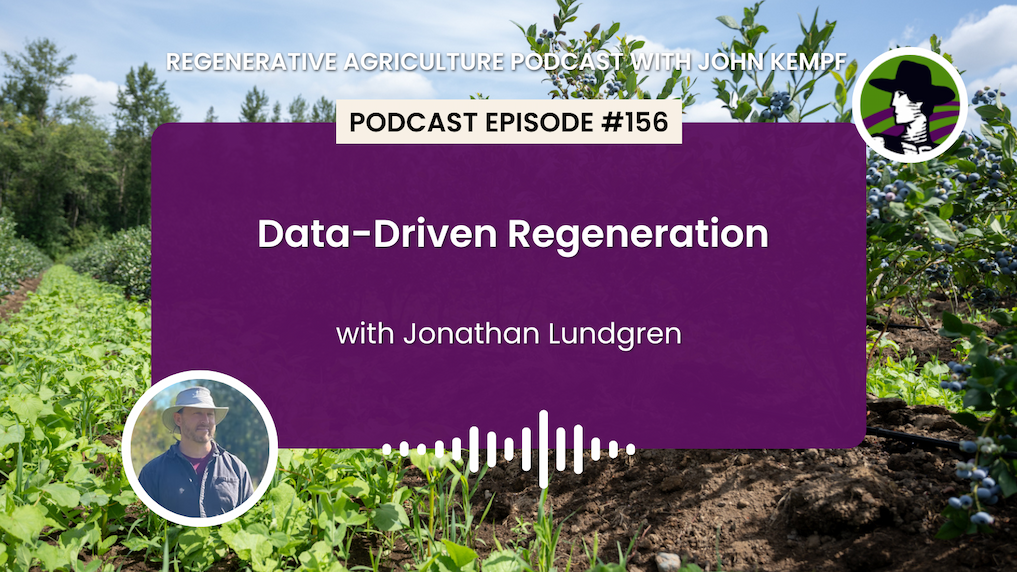
4. 🎧 Jonathan Lundgren on the Regenerative Agriculture Podcast

 
Podcast listeners loved John Kempf’s interview with Jonathan Lundgren: agroecologist, farmer, rancher, beekeeper, and founder of the Ecdysis Foundation, which provides data to validate regenerative agriculture’s impact.
  • Challenging skeptics of regenerative farming’s carbon impact, Jonathan describes how fully regenerative farms can act as carbon sinks for the equivalent of seven years of U.S. emissions. 
  • Jonathan also shares insights on how regenerative farming improves biodiversity, which in turn enhances water cycles and soil fertility.
Listening to the conversation is a great way to spend an hour in the tractor cab. 
Listen now

 5. 🙋‍♂️ Name that crop!  
Last month’s trellised teaser was:
 
 Kiwi  
 
(Actinidia spp.) 
 
True to their reputation, lots of New Zealanders guessed it correctly, but the lucky winner of an AEA hat is Cris from Louisiana. Congrats Cris!

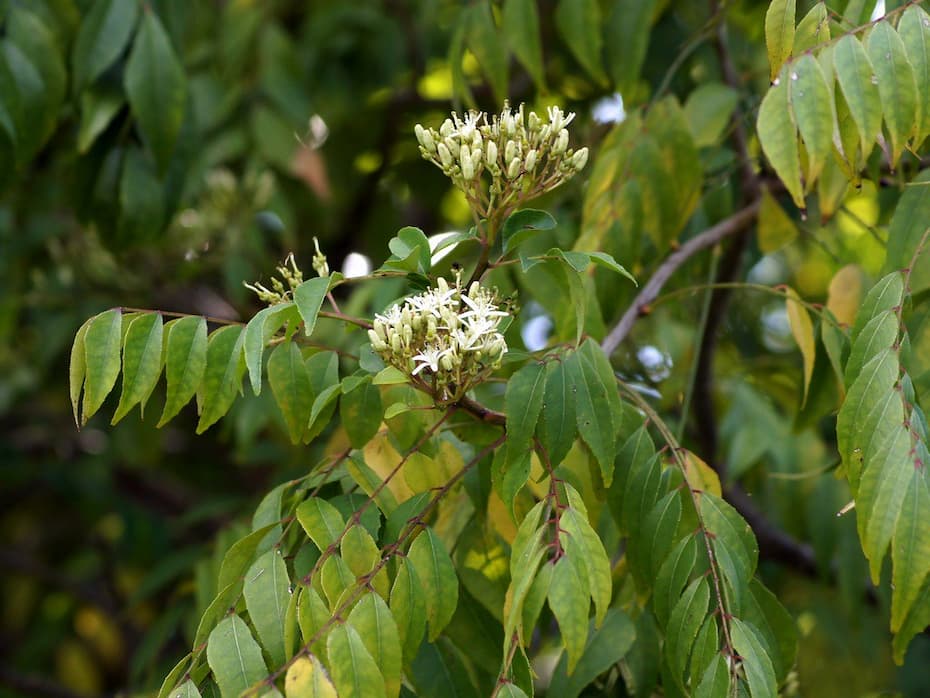
For this month’s contest, can anyone name this South Asian delicacy? 
 
(Alas, the specimen in the photo is not under AEA treatment, hence its obvious signs of nutrient deficiency. We’d love to give it a foliar shot of MacroPak & MicroPak . . . .)
Submit your guess for a chance to win!
 

6. 📚 Reading List

Interesting links, stories, and articles we’ve been reading this month. 

4 Factors Set High-Yielding Corn Apart | FarmProgress
This confirms much of what AEA's corn program focuses on: bigger leaves, microbial synergy, and optimized Nitrogen uptake from the soil.
 
The Take-Half, Leave-Half Fallacy | Acres U.S.A. 
John Kempf describes the secret power of forbs in pasture regeneration. 

Wilson Creek Winery Wins Prestigious ACG Award for Pioneering Regenerative Farming in California Wine Country | Wine Business
Congrats to vineyard manager (and AEA ambassador) Greg Pennyroyal and the team at Wilson Creek! 

Cheap Food Is a Lie: Why Nutrient Density Is the Future of Farming | The Market Gardener Podcast
AEA's very own Kish Johnson in conversation with JM Fortier. 

7. 📸 Photo of the month

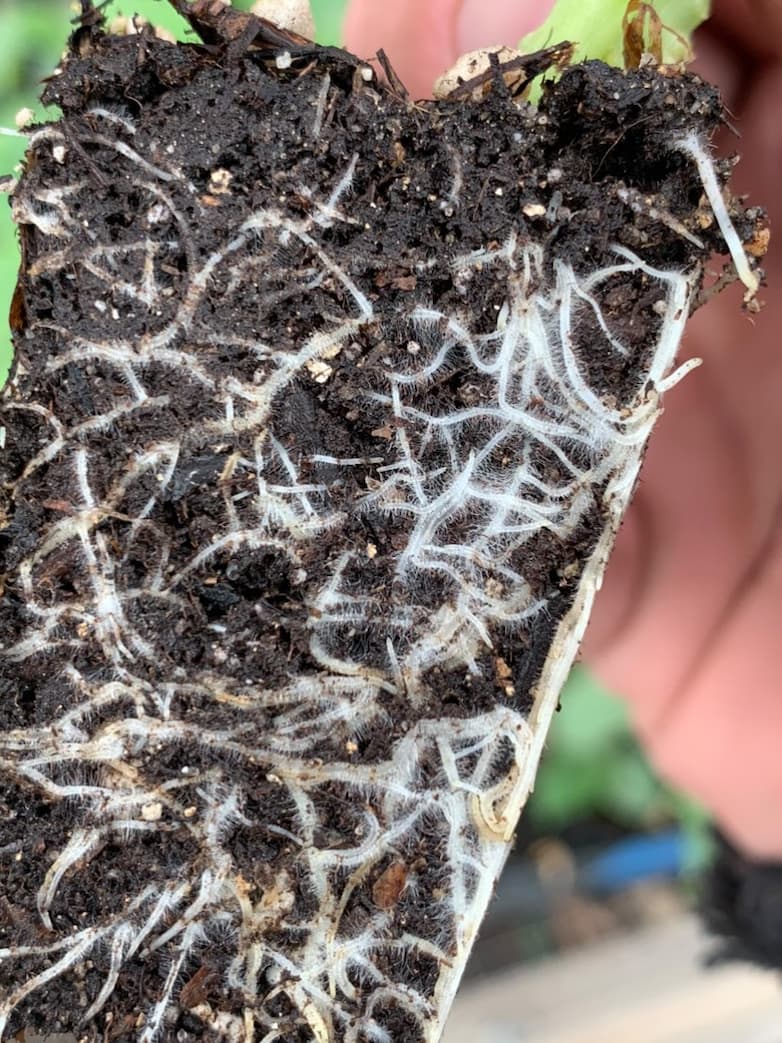
Middle Fork Farm in Central Illinois shared this photo of their cucumber seedlings, which had been planted with SeedFlare™ and BioCoat Gold™.
 
They were thrilled with the root development, and so were we! 
 
(These are Diva field cucumbers, for those taking notes). 

 
Received from a friend? Subscribe here for more. 

You've signed up to receive our newsletter. 
Want fewer emails? {% manage_preferences 'Manage Email Preferences' %}
If you no longer want any emails, {% unsubscribe 'unsubscribe' %}
Advancing Eco Agriculture, Inc.
{{ organization.full_address }}
YouTube
LinkedIn
Instagram
Facebook