{% web_view 'View in Browser' %} | Forwarded this email? Subscribe here.
AEA's monthly newsletter
September 2025
6-minute read
Hi Friends, 
 
Synthetic fertilizer prices are on track to rise 28% next year. Meanwhile, crop prices have flatlined, or totally bottomed out. 
 
It’s a terrible formula for farmers. 
 
But wait, there’s hope! Regenerative Agriculture can help farmers navigate this financial minefield by decreasing their dependency on synthetic inputs, while maintaining yields and building the long-term soil resilience necessary to step off the input treadmill altogether. 
 
That all sounds nice. But how does it work?
 
In today’s newsletter, we’re sharing some details about what’s actually going on in the soil.

1. 🔀 A mandatory mindset shift for biological agriculture 
We talk often about the mindset shifts needed when switching to a regenerative way of growing. 
 
A very important, and counter-intuitive, regenerative mindset shift needed is this: 
  • The "conventional" system, which is dependent on soluble fertilizers, has conditioned us that nutrients get applied in the spring
  • But in a biological system, nutrition management actually begins in the fall, many​months before we plant the crop. 
Perennial growers already know this. The buds for this year’s crop were formed last year, so last year’s nutrition is largely responsible for this year’s crop. 
 
But it’s also the case for annual crops! 
 
When developing a biological system for annual crops, our goal is for soil biology to provide the nutrients a crop needs, and for those nutrients to be plant-available, but NOT water-soluble (i.e. they don’t leach). 
 
For biology to work this magic, it needs time. 
  • Time to build up its populations 
  • Time to extract minerals from the soil mineral matrix 
  • Time to make those minerals available to the crop
Therefore if we intend to use soil biology to provide crop nutrients, we need to start in the fall, not the spring, to give biology the most possible time to work before the crop is planted. 
 
There’s also a difference between how soil biology behaves in warm vs. cool soils. 
 
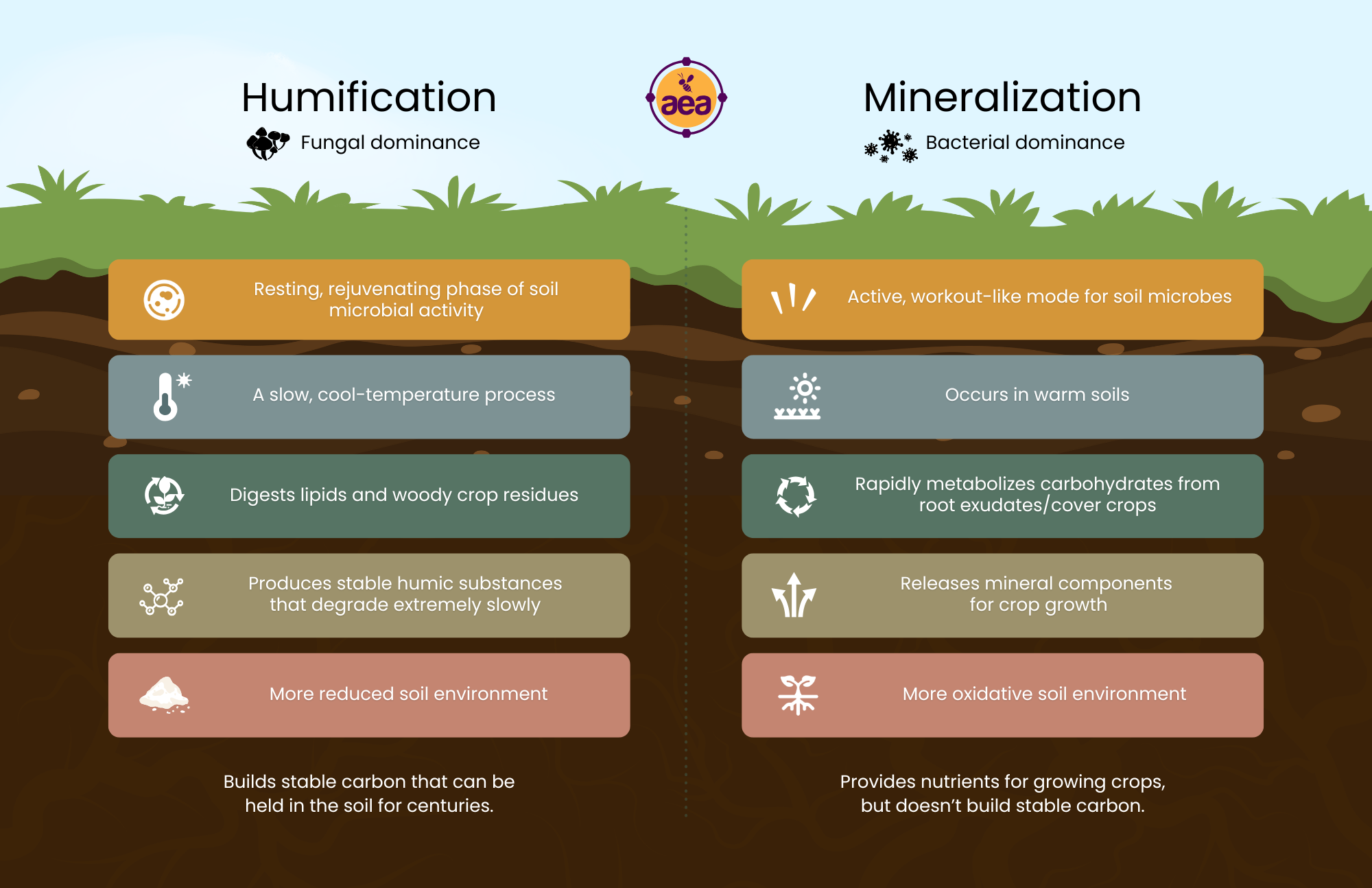
Humification is the dominant process in cool soils, during the off season. 
  • It’s a fungal-dominant process 
  • It creates stable humic substances that build long-term soil health
Mineralization happens in warmer soils, during the growing season
  • It’s a bacterial-dominant process 
  • It releases nutrients crops need, but doesn’t build soil health over the long-term
So, if you’re going to put on microbial inoculants, the most valuable time is in the fall. These microbes have time to develop vigorous populations that can: 
  • Break down crop residue 
  • Solubilize nutrients
  • Create stable humic substances 
When spring comes, we can easily see the results of winter’s biological activity.
  • It’s not just moisture that creates the beautiful, lush green of plants in springtime, like first-cutting alfalfa.
  • It’s also the flush of bioavailable nutrients delivered through humification 
Maybe Dylan Thomas had humification in mind when he penned his famous line:

 
 “The force that through the green fuse drives the flower”
Download our printable infographic

2. 📉 How Humification reduces next year’s NPK needs. 
In our experience, applying Regenerative Soil Primer in the fall is the single best thing a grower can do to reduce their NPK needs the coming year.
 
Soil Primer is designed to encourage humification, and humification does awesome things for NPK. Here are a few:
 

Nitrogen 

During humification, microbes incorporate nitrogen from decomposing crop residues, cover crops, etc. into stable humic compounds. 
  • This prevents nitrogen from leaching away as nitrate (NO3-) or volatilizing as ammonia (NH3).
Humus is the soil’s largest reservoir of nitrogen; it holds 90-95% of the soil’s total nitrogen in organic forms.
 
As temperatures rise and microbial activity increases in the spring, humic substances are broken down through mineralization. 
  • Mineralization gradually releases plant-available forms of nitrogen throughout the growing season, which reduces the need for synthetic nitrogen.
Phosphorus 
 
Humification helps overcome the tendency of Phosphorus to get tied up.
  • Humic and fulvic acids (components of humus) are powerful chelators. 
  • They complex negatively-charged ions like phosphate, stabilizing them and keeping them plant-available.
  • They can also chelate positively-charged ions (like calcium, iron, and aluminum) preventing them from reacting with phosphate, which would make it unavailable.
Phosphorus-solubilizing microbes are among the increased microbial populations from humification. 
  • These microbes release organic acids and enzymes to break down insoluble phosphorus compounds and make them accessible to plants. 
Potassium
 
Potassium availability depends on the soil's ability to hold onto cations (like K+).
  • Humus has lots of negatively charged sites that can attract and hold onto cations, giving it a very high cation exchange capacity (CEC).
  • The CEC of humus prevents potassium from leaching, and makes it available for plant uptake.

3. 💸 10% off Soil Primer and Winter Seed Treatments
To help you keep costs down, we’re still offering 10% off on 2 product lines: 
 
 Fall Soil Primer 
 
This entire fall, we’re giving 10% off on the key ingredients in Soil Primer: Rejuvenate™, SeaShield™, and SeaGuard™. 
 
Combine with an inoculant like Spectrum™, and you’re off and running with humification.  
 
Ends November 15th.
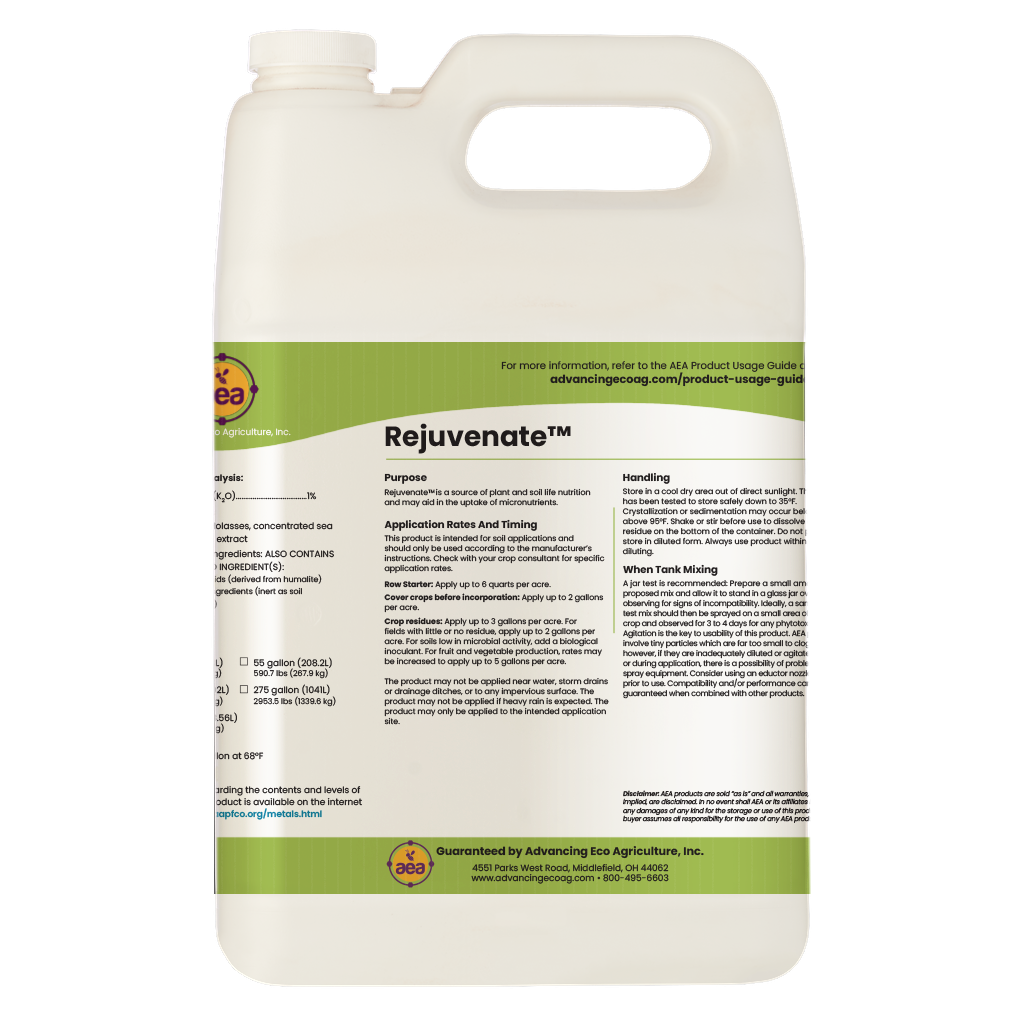
Image of Rejuvenate™
Rejuvenate™
  • Helps build an environment in which microorganisms can flourish
  • Supplies the “tools” they need to do their work
Shop now (10% off)
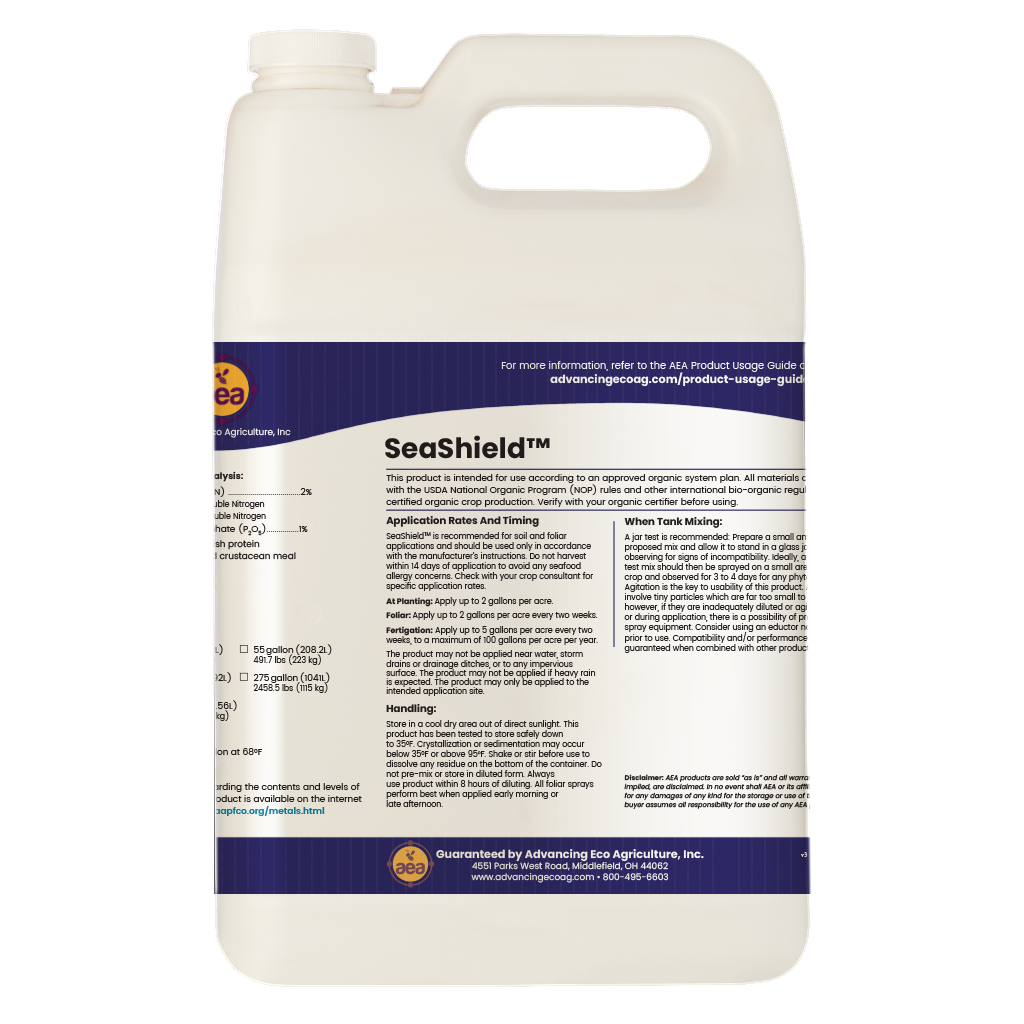
Image of SeaShield™
SeaShield™
  • Beloved by soil fungi
  • Contains phosphorus, calcium, trace elements, and amino acid nitrogen
Shop now (10% off)
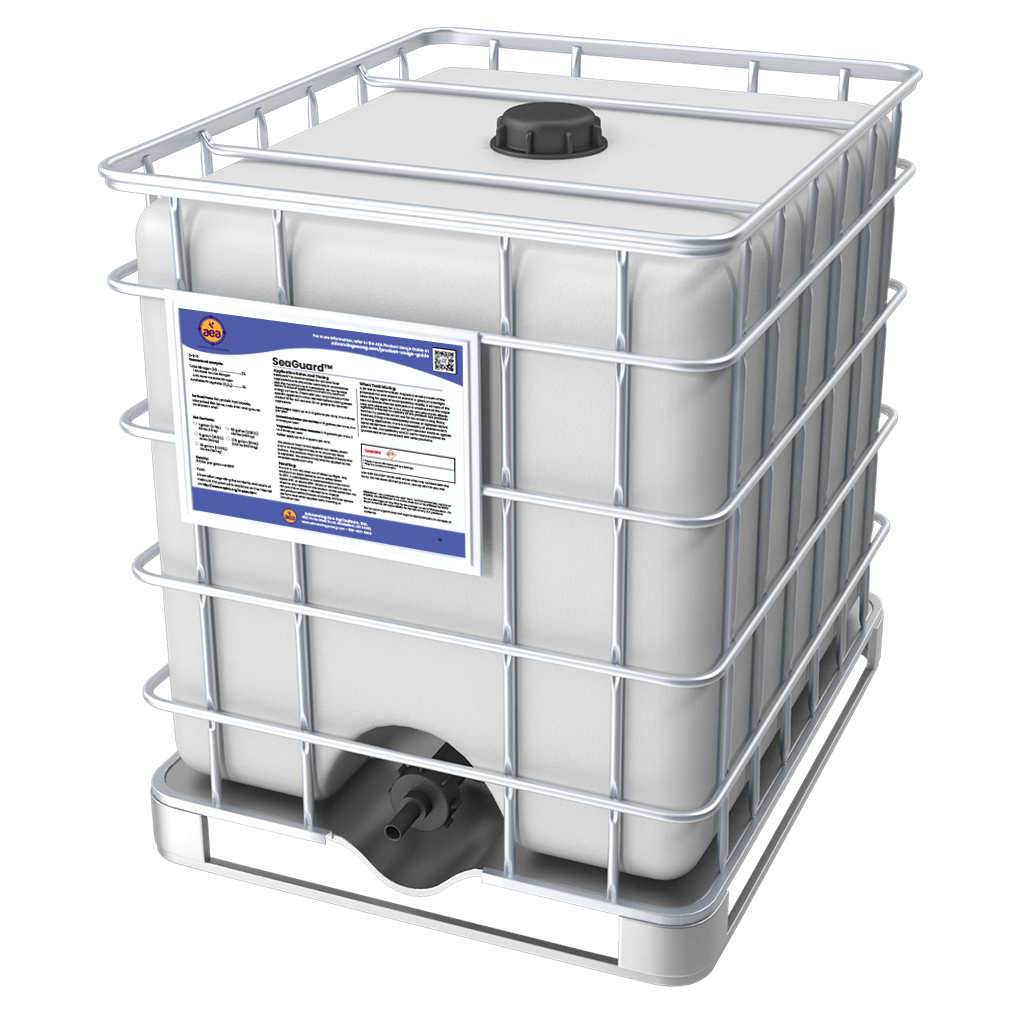
Image of SeaGuard™
SeaGuard™
  • Cheaper, non-organic alternative to SeaShield™.
  • Available only in 265-gallon totes
Shop now (10% off)

 
 Seed Treatment Bundle 
 
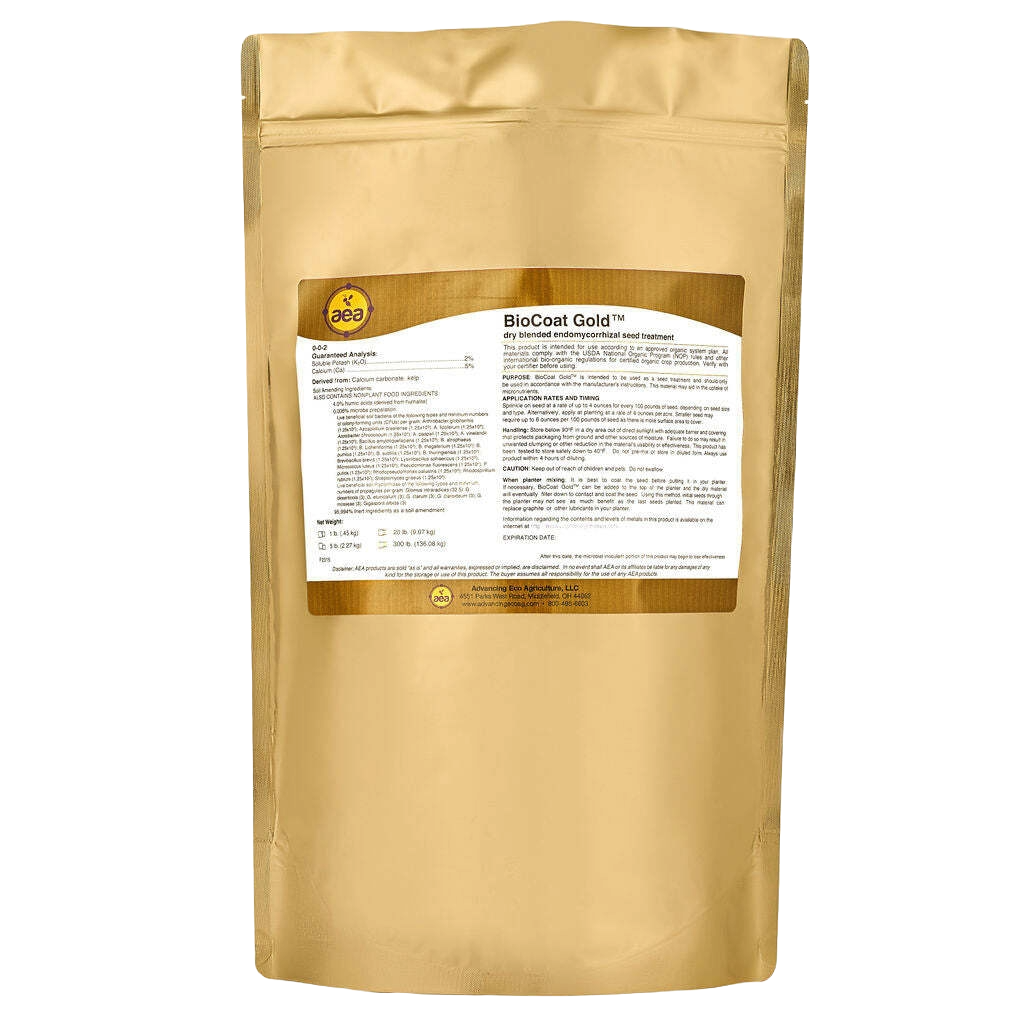
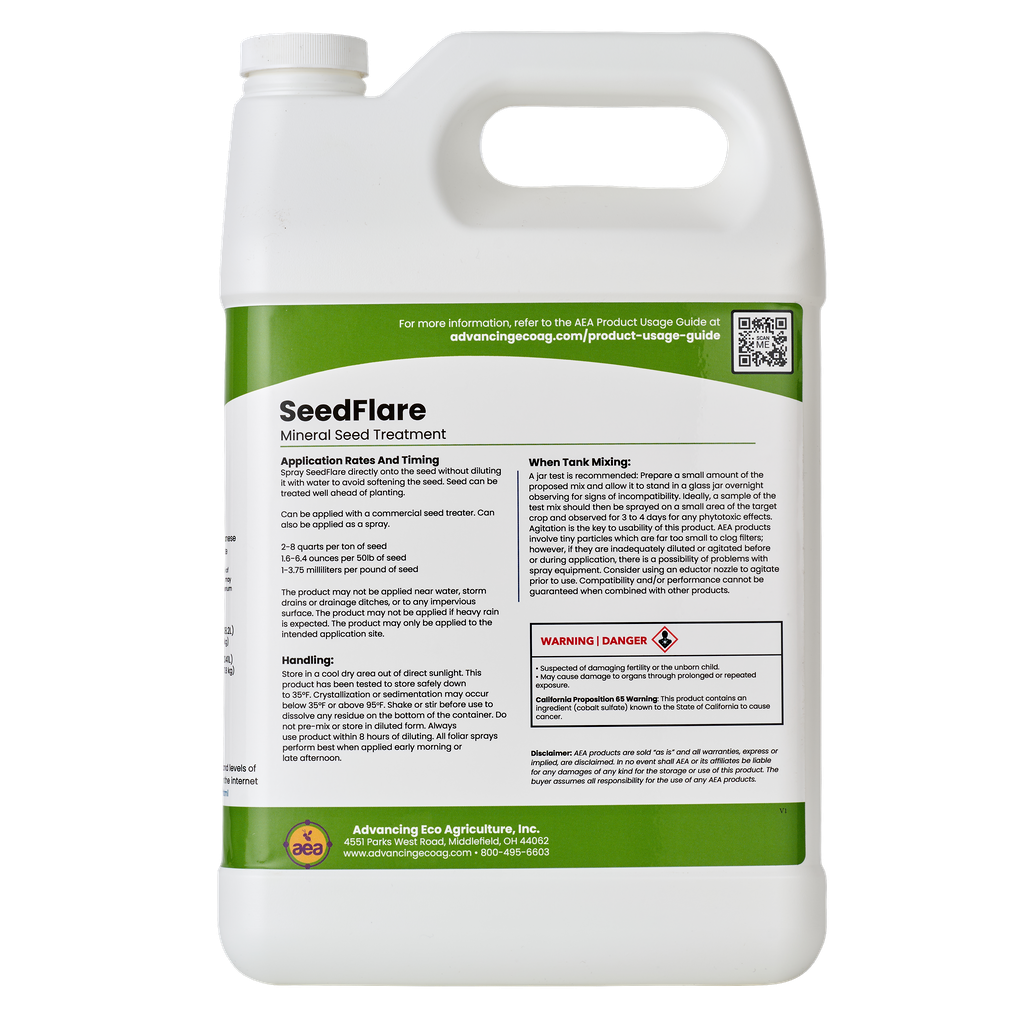
If you’re planting winter grains or cover crops, you can still get 10% off when you buy BioCoat Gold™ and SeedFlare™ together, only through September 15th. 
 
Taken together, the 2 products provide a 1-2 punch of germination and seedling development that gets crops off to their best possible start. 
Image of BioCoat Gold™
BioCoat Gold™
  • Dry microbial inoculant
  • Supports germination and strong early growth
Shop now (10% off bundle)
Image of SeedFlare™
SeedFlare™
  • Liquid nutrition applied to seed
  • Designed to complement BioCoat Gold
  • Supplies essential nutrients that are commonly missing in commercial seed 
Shop now (10% off bundle)

4. 🛢️ Precision blending now available nationwide  

If mixing AEA products doesn’t bring you joy, we’ve got exciting news for you: 

 
Precision blends are now available to growers nationwide! 
 
We’re able to blend AEA products before we ship them to you, so you receive totes that contain a precision blend for your needs, ready to be applied without mixing. 
 
We’ve been trialing precision blending in the Pacific Northwest, and have gotten great feedback, including:
  • Huge labor savings on mixing and handling products 
  • Fewer product issues: everything is pre-mixed and ready to go! 
Now all of our manufacturing locations across the country are equipped for precision blending. 
 
Some things you should know: 
  • Precision blends should be used within 48 hours after receiving. 
  • 150 gallon minimum order. 
  • Manufacturing can take up to 2 weeks.
Ask about precision blending
1-800-495-6603
[email protected]

 5. 📸 Photo of the Month
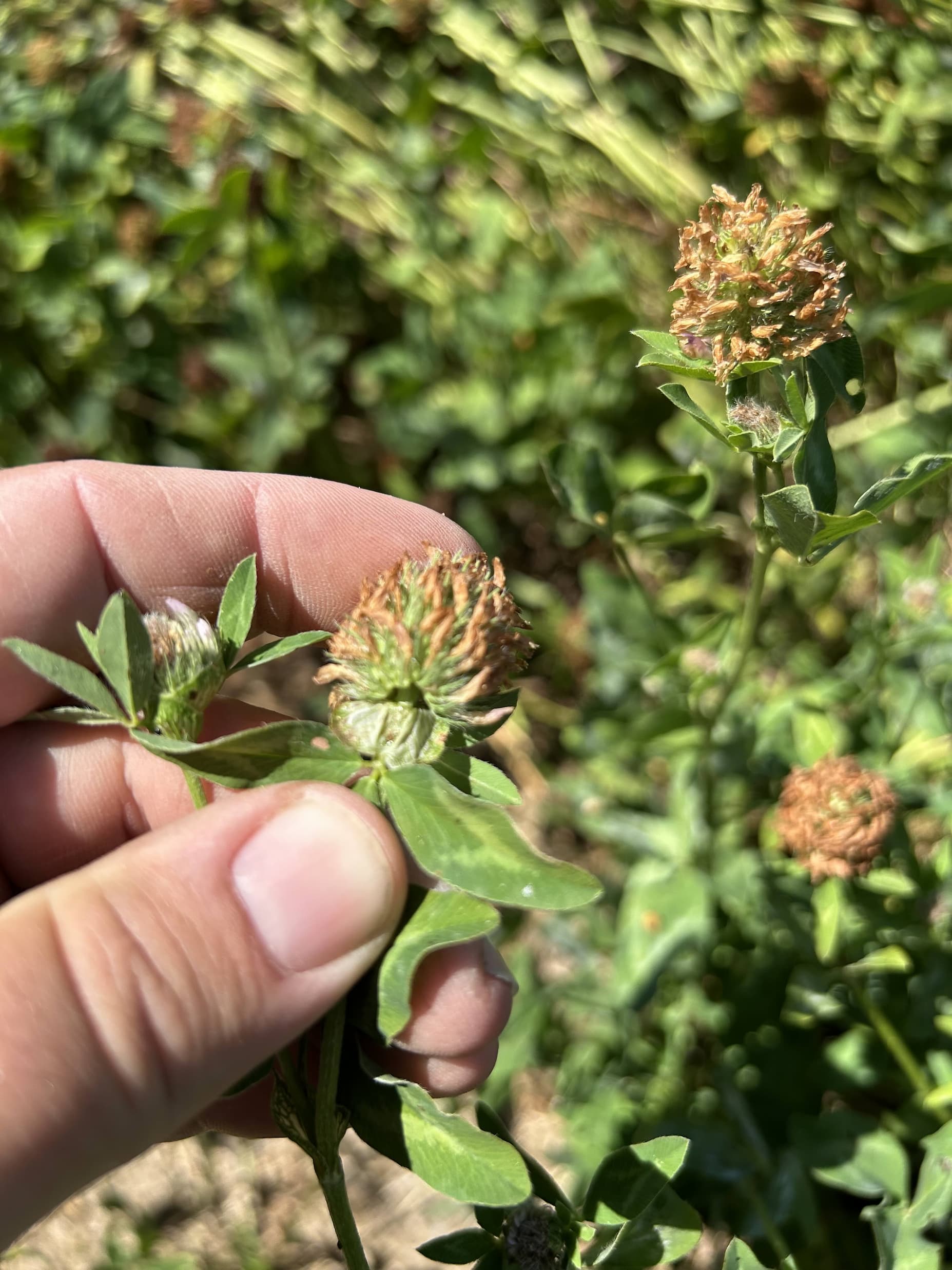
Q: Can you spot what’s missing from this photo? 
 
 
A: Aphids. 
 
This red clover (grown for seed) had been infested with aphids earlier this season. 
 
"We were seeing so many aphids in here you couldn’t see the stem," says grower Mike Ellis, of Oregon's Mt. Hope Farms.
 
After a nutritional foliar*, the aphids disappeared. "The foliar worked fantastically! Now after a great deal of scouting it is rare to find any."
 
For years, we’ve been describing how plant nutrition creates pest resistance, but it continues to amaze when we actually see the results in the field. 
 
What’s the root cause of aphid resistance? 
  • Aphids feed on free nitrates.
  •  If plants convert nitrates to proteins, it removes the aphids' food source
  • Then the aphids simply feed elsewhere.
  • Amazingly, plants can begin synthesizing proteins immediately when they have adequate levels of Mg, S, Mo, and B
  • Aphid resistance can manifest within 48 hours of a mineral application.
* This foliar had AEA's PhotoMag™, Rejuvenate™, and SeaStim™ to encourage protein synthesis and crop resistance, along with Mike's normal post-bloom nutrition.
Learn more in Level 2 of the Plant Health Pyramid

6. 🦅 How does Pinion™ work? 

We've been seeing great results using Pinion™ across the country, on a wide range of crops, including tree fruit, berries, grapes, greens, tomatoes, and more. 
 
Check out John Kempf's latest whiteboard video, explaining Pinion's 3 modes of action: 
  1. Alters phyllosphere redox
  2. Changes microbiome composition
  3. Appears to trigger genetic expression of plant immunity 
Pinion is now available in 11 states, with more rolling out weekly as they approve it. 
 
See the full state availability here. 

More on Pinion™

7. Find us at Climate Week NYC

We'll be at Climate Week NYC! 
 
When: September 21-28
 
We're excited to lead the conversation about how regenerative agriculture is the climate solution we need right now. 
 
Come find us there; we'd love to connect! 

8. 🙋‍♂️ Name that Crop

Congrats to Bing for guessing July’s mystery crop: 
 
 Curry leaf  
 
(Bergera koenigii, formerly​Murraya koenigii) 
 
Bing remembers the tree growing in his grandfather’s garden in Singapore. Hopefully he’ll form equally fond memories of his sweet new AEA hat! 
 
Would you like a sweet new AEA hat? 

You just have to name the crop that produces these lovely flowers (which must be hand-pollinated 😱)? 

One lucky winner will get an AEA hat! 
Submit your guess!

9. 📚 Reading List 

Regenerative agriculture isn’t misty-eyed nostalgia, it’s the future | Positive News
 
How U.S. Agriculture Leaders Can Support Farmers And A Resilient Supply Chain | Forbes
 
Agroecology as a path to justice: ‘How we treat the Earth is how we treat each other’ | Vatican News
If anyone knows the Pope, we'd love to chat! 
 
From trials to transformation: What three years of regenerative research reveals about the future of farming | Stuff (NZ) 
 
Why are US farmers struggling to adopt sustainable ag? | AgTech Navigator
 
Against the grain: Local farm goes regenerative, gives back to the land | Wyoming Tribune Eagle
AEA grower in the news! 


Received from a friend? Subscribe here for more. 

You've signed up to receive our newsletter. 
Want fewer emails? {% manage_preferences 'Manage Email Preferences' %}
If you no longer want any emails, {% unsubscribe 'unsubscribe' %}
Advancing Eco Agriculture, Inc.
{{ organization.full_address }}
YouTube
LinkedIn
Instagram
Facebook