{% web_view 'View in Browser' %} | Forwarded this email? Subscribe here.
AEA's monthly newsletter
February 2026
4-minute read
Hi Friends, 
 
We hope you're all staying warm and are preparing for a fruitful 2026 growing season.
 
In today's newsletter: 
  1. Can Corn Regenerate Soil? 
  2. Photo of the Month: +19bu for $15
  3. Top 4 Corn Tips
  4. Accepting AEA Dealers
  5. Corn vs. Corn in 41 seconds 
  6. Web Sale: Free BioCoat Gold with $400+ order
  7. John Kempf in Texas
  8. Name That Crop Contest

1.  🌽  Can Corn Regenerate Soil? 
Corn is the #1 crop in the USA, covering nearly 100 million acres. Globally, nearly 500 million acres are used to grow corn. 
 
The systemic issues of the conventional corn industry have been justly criticized.  
  • It relies on extremely high levels of inputs: chemical fertilizers, herbicides, and pesticide 
  • It is very extractive, quickly depleting soil carbon and denuding biology
  • It has degraded local farm economies and infrastructure to the extent that farmers have little choice of crop to grow but corn   
. . . to name just a few 
 
To top it all off, corn growers are hurting right now. 
  • Corn prices are low, while costs for everything from fertilizer to spare parts for the tractor are through the roof. 
Of course, there are long-term, systemic reasons for these problems that will require long-term, systemic solutions.  
 
But what gets us excited are solutions that individual farmers can use RIGHT NOW; to grow a better crop this year, lower their costs in lean times, and flip the formula from depleting soil carbon to building soil carbon. 
 
We’ve seen that regenerative agriculture can turn the “conventional” outcomes from corn-growing on their head, creating systems that: 
  • Harness corn's photosynthetic superpower as a C4 plant to pump tons of carbon into the soil, feeding the microbiome and building organic matter 
  • Decrease input budgets, helping family farms survive terrible market conditions
  • Deliver quality harvests year after year 
The best parts?
  • All that can all be done in year 1.
  • All that can be done at any scale. 
In today's newsletter, we're talking corn, because the ability to regenerate 500 million acres globally using the plants already growing there gets us amped up. 
 
To get your wheels spinning, here are a few choice tidbits of the many amazing corn stories we’ve heard on the podcast: 
 
“
"The biochemical genetics of [corn] are about 1,100 bushels. That's what we  could do if we managed the environment and the plant in a proper manner. . . the limiting factor is the innovation of man."  
- Don Huber 
"Our typical corn-soybean system is losing a thousand pounds of carbon per acre per year. Think about the average life of a producer. Farming forty years, they've lost forty thousand pounds of carbon—twenty tons.  
 
But we can change that system quickly.
 
We find that within one year, we can change that negative carbon balance into a positive carbon balance.  
- Jerry Hatfield 
”

John Kempf talked all things corn on BASS Hybrids' podcast this week:
Listen

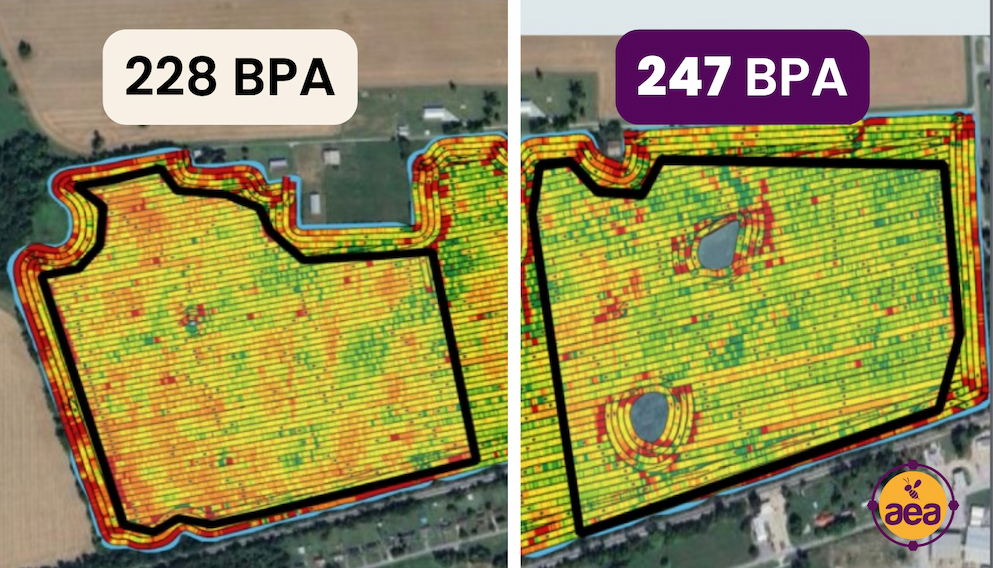
2. 📸 Photo of the Month: +19bu for $15
(BPA = bushels per acre) 
 
These corn yields bothered people on Facebook. 
 
We got comments like: 
  • “No way that pic is your trial.”
  • “It’s a scam.” 
No scam here, folks, just good ol’ fashioned mineral nutrition removing a crop’s limiting factors to allow it to express its genetic potential. 
 

Here’s the story: 

Josh Thurman of Clearpoint Ag shared this yield data from a field he’s managed in Warren County, Kentucky for the past 20 years. 
  • The area has extremely calcareous soils, which drive out magnesium.
  • Josh knows that magnesium would be critical for this crop, and sap tests confirmed it. 
Both sides of the field were managed exactly the same, EXCEPT the right half got an AEA foliar at R2, consisting of 1qt PhotoMag, 1qt MicroPak and 1pt SeaStim.
 
🤩 That single ~$15 foliar led to a 19bu difference (ROI > 500%).
 
What can we learn from Josh's success?  
  1. Identify the crop's key limiting factor
  2. Identify the proper time to correct it
  3. Find a cost-effective correction
  4. BOOM
"I was hoping I would see 10 bushels to make it worthwhile," says Josh. "I knew magnesium was limiting from the sap tests, but this shows me it was even more limiting than we knew." 
 
(Josh also shared historical yield data from 2 years prior, when both sides received the same treatment. The good side this year was 2 bushels lower that year.)
 

High Biology, Low Costs

Josh conservatively estimates that the entire program cost $50/acre less than anything else in area. (The field was planted about a month late, so overall yields weren't optimal). 
 
The whole field got: 
  • 157 total units of N (most corn in the area gets ~200)
  • No dry or high-volume P and K inputs.
  • In-furrow PGPR, sugar, silica and P stimulants.
  • Micronutrients, amino acids, and sugar blend at V4
  • Fungicide pass with boron at VT
PhotoMag™

Enjoy this newsletter? Forward it to a friend! 

3.  🏅 Top 4 Corn Tips
When transitioning from a conventional system to a regenerative one, a key question, in the words of John Kempf, is:
  • "How do you create an off-ramp for chemistry while creating an on-ramp for biology? Figuring out those dynamics within each ecosystem is where the magic happens."
Here are our top 4 tips for creating an on-ramp for biology in corn. 
 
(Obviously, each situation will be unique. But everyone can start here.)
 

1. Inoculate seed with microbes.  

This is one of the least expensive things per acre you can do, with the greatest ROI. Bonus: immense benefits to the soil microbiome.  
  • BioCoat Gold with SeedFlare (its best friend) start ~$5/acre for corn
  • Both are easy to apply directly to seed: check out our website for example videos
  • BASS Hybrids sells pre-treated seed 

2. Use an in-furrow application that boosts biology. 

That microbial inoculant is useless if it’s burned to smithereens by a heavy liquid fertilizer application.
  • Our Soil Primer is a great place to start 
  • Amplify with needed nutrients 
  • Dose out nitrogen in multiple apps instead of all at once

3. Use Nitrogen efficiently

You can seriously reduce nitrogen use simply by using it more efficiently: preventing leaching and volatilization, and keeping it in plant available forms. 
  • Our nitrogen efficiency program is mandatory reading.  

4. Apply a nutritional foliar at V4  

Corn is exhausting its nutritional reserves from the seed, and entering a phase of heavy vegetative growth. Plus, physiological changes at this stage are unleashing the seed's inherent potential. 
 
It's a great time for added nutrition. 
  • The foliar's exact composition will depend on the crop's needs. 
  • Sap analysis will tell you what those are. 
  • As a starting point, you could do a lot worse than MacroPak + MicroPak
 

Next Steps 

Once you've got that well in hand, there are a million possibilities: 
  • Will you apply an additional foliar at a Critical Point of Influence to really push your crop? 
  • Will you interseed with a multi-species cover crop? 
  • Will you identify and address unknown nutrient deficiencies? 
It all depends on your context. 
 

Want our expert help? 

Get in touch

4. 🚚 Accepting AEA Dealers
Thanks for your great recommendations!  
 
We’re still accepting applications for new dealers in the United States to help us meet demand for AEA products.  
  • Applicants must be aligned with our mission and have the agronomic oomph to support growers adopting a regenerative system. 
  • They should also be able to blend liquid products and deliver them promptly to growers.  

Is this you?  

Apply here
Do you work with an input distributor who you think would be a great fit? Please share this with them! 

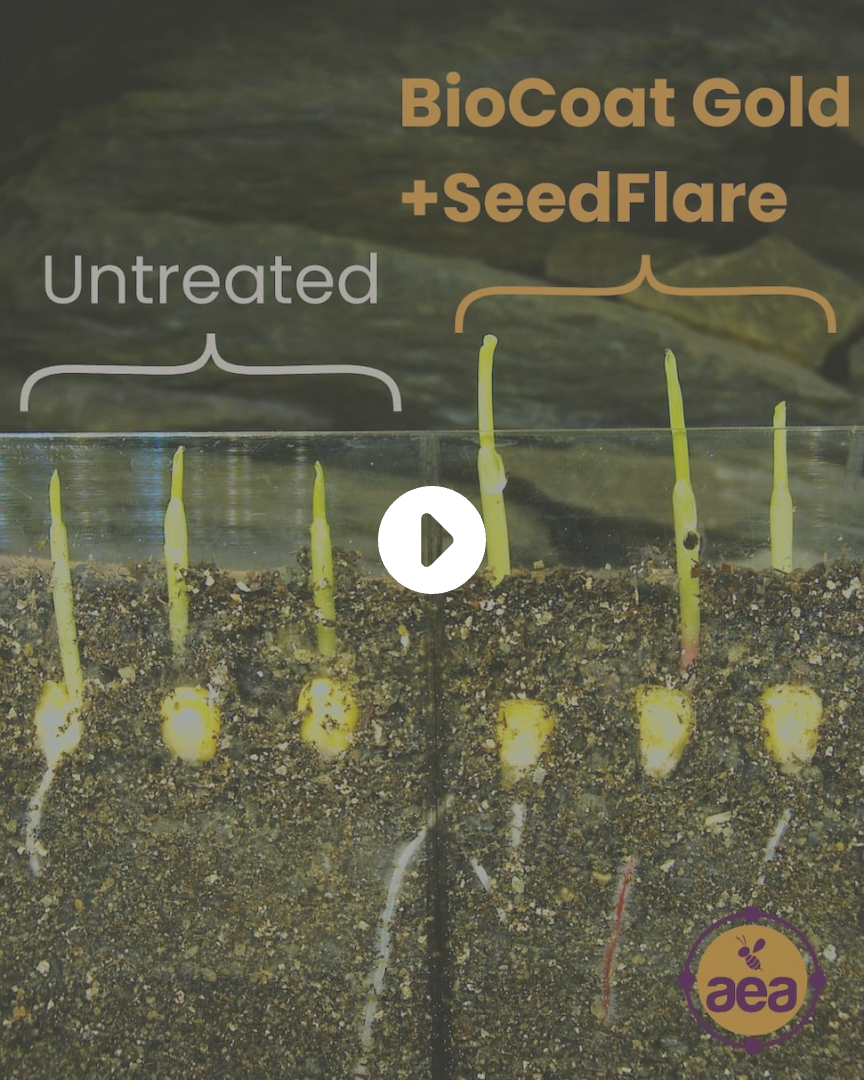
5. 🎥 Corn vs. Corn in 41 seconds 
If you want to see how microbial inoculants affect corn germination and early growth, check out this timelapse video we took on corn.
  • BioCoat Gold and SeedFlare made quite a difference in  early shoot growth and root mass. 
And it's not just growth. 
 
We heard from Ed Baumgartner, founder of BASS Hybrids, that in they trials they have found that “BioCoat Gold and SeedFlare are very defensive” 
  • They’re “better against pathogens than the chemistry [i.e. fungicide-treated seeds] without doing the harm that the chemistry does to the other soil microorganisms,” Ed told us.
 
Buy BioCoat Gold

Have you used BioCoat Gold?  
 
We’d love it if you left a review on AgList!
  • BioCoat Gold is currently sitting at #2 on AgList's biologicals rankings.
  • We’re not all that competitive, but WE MUST BE #1  🥇
  • Seriously though, not competitive. 
Leave a Review

6. 💸 Free BioCoat Gold! 
Speaking of BioCoat Gold, you can get a free 10oz bag when you order $400+ online in February. 
 
If you’re stocking up on supplies for the growing season, make sure you’re getting your seeds started off right. 
Shop

What can BioCoat Gold do for you? 

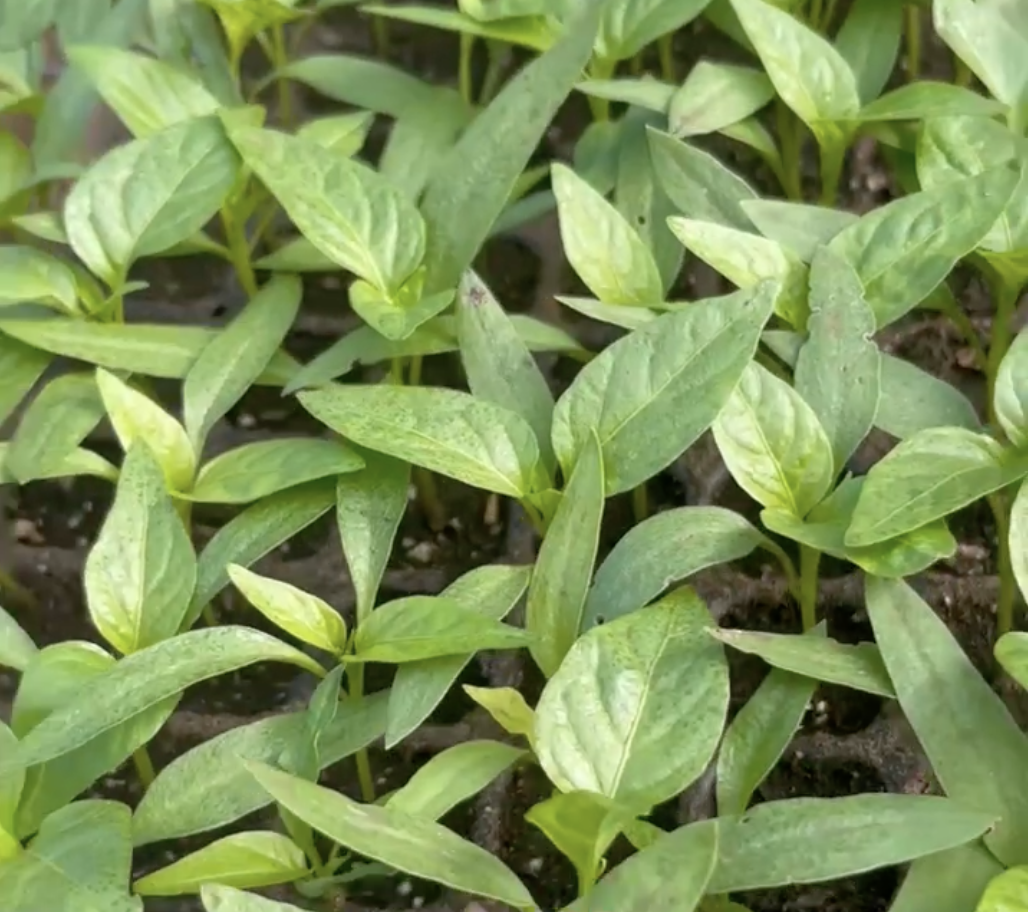
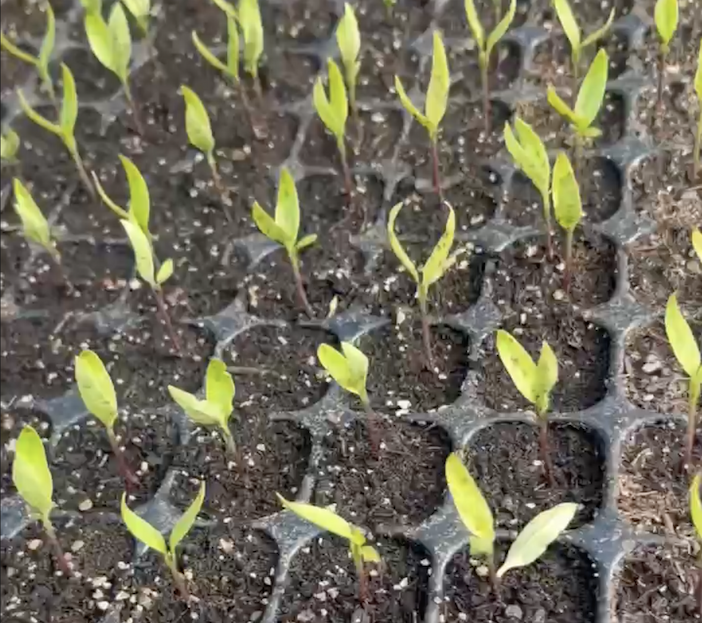
Check out these pictures from Peter Henry of Indeegenus. 
  • He ran a trial on pepper seeds comparing BioCoat Gold to untreated. 
  • Then he got a cold snap.
  • Those with BioCoat Gold (left) look great.
  • The untreated seeds (right) . . . well . . . see for yourself. 
 
“I wanted to do a full test on plots in the field, but the poor non-BCG peppers sadly won’t make it that far,” Peter told us.
Spend $400 for free BioCoat Gold

7. ⭐ John Kempf in Texas 

Just Announced: 

West Texas Regenerative Ag Summit with John Kempf + Green Cover 
 
A full day cotton-focused workshop with John Kempf and Keith Berns of Green Cover. 
 
🗓️ February 27
 📍Lubbock, TX
Register

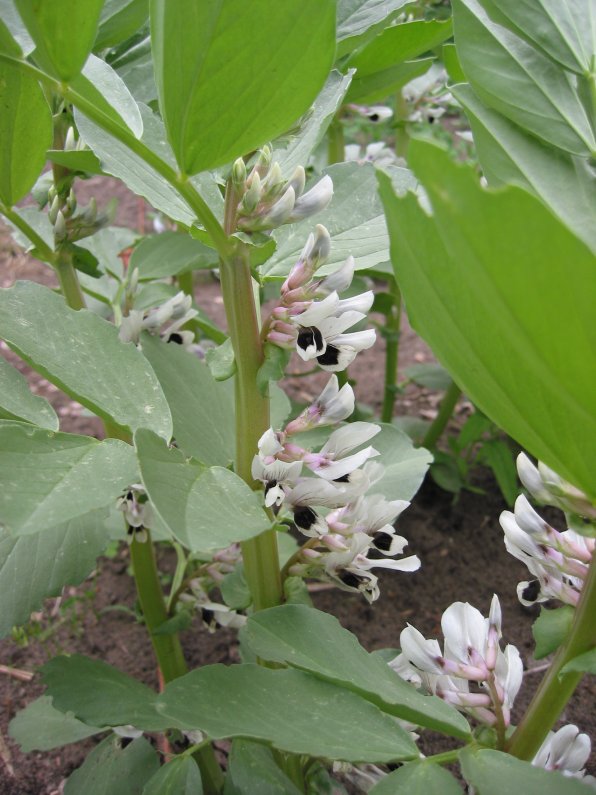
8. 🙋‍♂️ Name that crop! 
Congrats to Richard in California, 1 of only 10 people who correctly guessed December’s mystery crop: 
 
 Quinoa 
(Chenopodium quinoa)
 
Plenty of people were fooled by that one, and guessed the closely related Chenopodium album (Lambsquarter or Fat Hen) 
  • Richard’s expertise of genus Chenopodium shall be flaunted to the world by his fresh AEA hat.

Can you guess this month’s fabulous mystery crop? 
  • One lucky winner will win an AEA hat! 
Submit your guess


 Received from a friend? Subscribe here for more. 

You've signed up to receive our newsletter. 
Want fewer emails? {% manage_preferences 'Manage Email Preferences' %}
If you no longer want any emails, {% unsubscribe 'unsubscribe' %}
Advancing Eco Agriculture, Inc.
{{ organization.full_address }}
YouTube
LinkedIn
Instagram
Facebook