{% web_view 'View in Browser' %} | Forwarded this email? Subscribe here.
March 2026
5-minute read
Hi Friends, 
 
This year marks AEA’s 20th Anniversary! 

This month we’ll be reflecting on the past 20 years: recapping where we’ve been, where we’re going, and why the world needs our vision for regenerative agriculture more than ever. 

In this issue: 
  1. It began in an Amish barn
  2. 80% by 2040
  3. John Kempf Workshops
  4. Regenerative Successes
  5. The BioCoat Gold Guarantee
  6. Trailblazing
  7. Regenerative Relationships

1.  🐣 It began in an Amish barn
You probably know the story by now: a precocious Amish teenager named John Kempf was managing his family’s vegetable farm when he noticed something strange. A clear line demarcated two fields:
  • one was ravaged by mildew
  • the other, right next to it, was fairly healthy.
The infected field had a history of heavy fungicide use, while the clean field had been converted just that year to vegetable production from pasture. 

Strangely, fungicides had not killed the fungi, but had actually made disease worse. 

This “Aha moment” set John off on a quest that overturned all the conventional wisdom he had inherited.
 
In his pursuit of understanding, John cold-called professors, showed up on the doorsteps of plant pathology experts across the country, and asked his local librarian to request transatlantic inter-library loans of out-of-print textbooks from German research universities. 
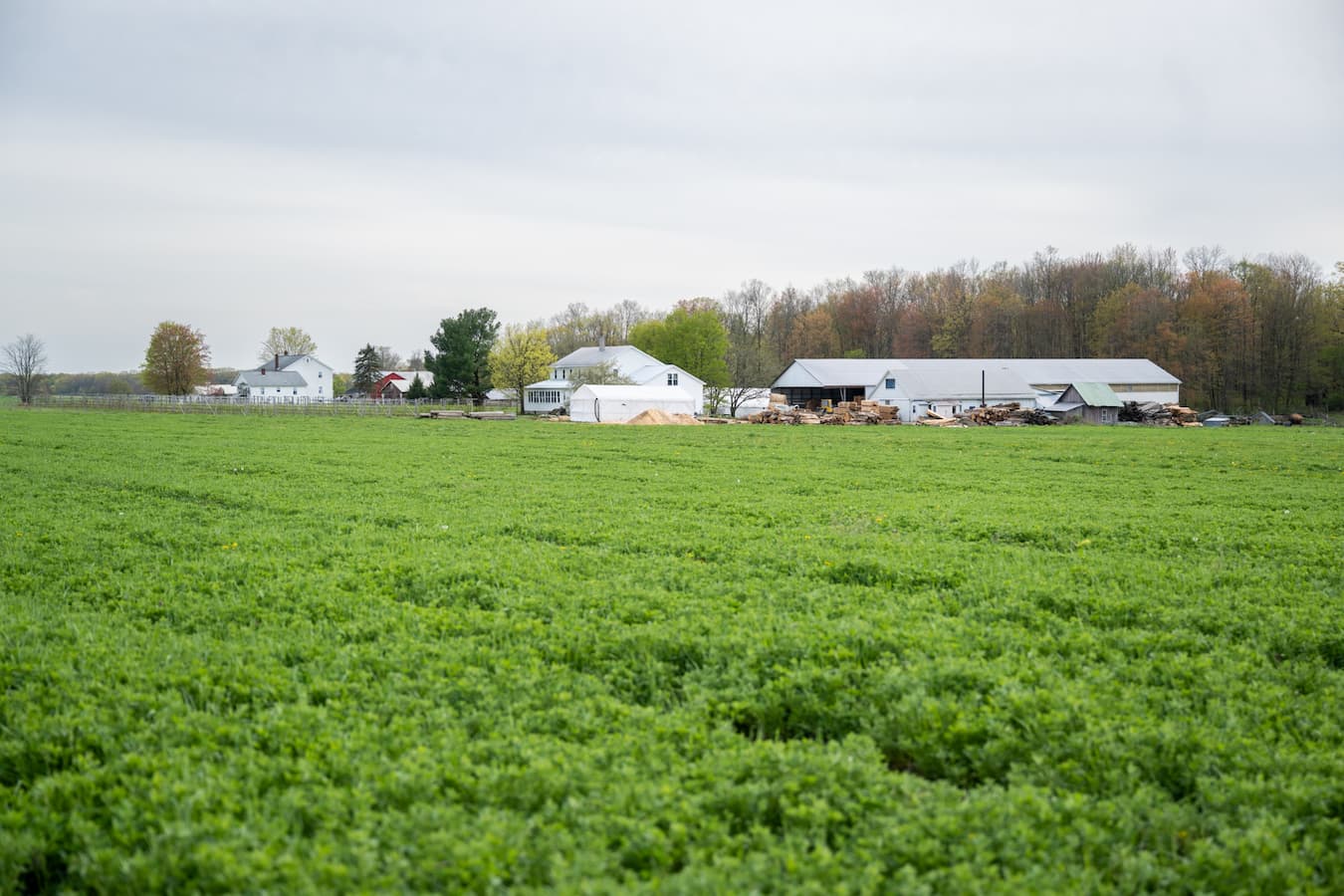
John Kempf's home farm. 
 
John synthesized all the wisdom from his quest into a new way of thinking about agriculture. He summed up his new philosophy with what became AEA’s 5 core concepts: 
  1. Mineral nutrition supports plant immunity
  2. Healthy plants resist insects and disease
  3. Microbial metabolites are a more efficient source of nutrition
  4. Quality drives yield
  5. Healthy plants create healthy soil
Teenage John began consulting with neighboring farmers, sharing the new techniques he’d developed. When he couldn’t find nutritional products that were effective at supporting plant immunity, he mixed up his own in the family barn.
 
AEA was born.
 
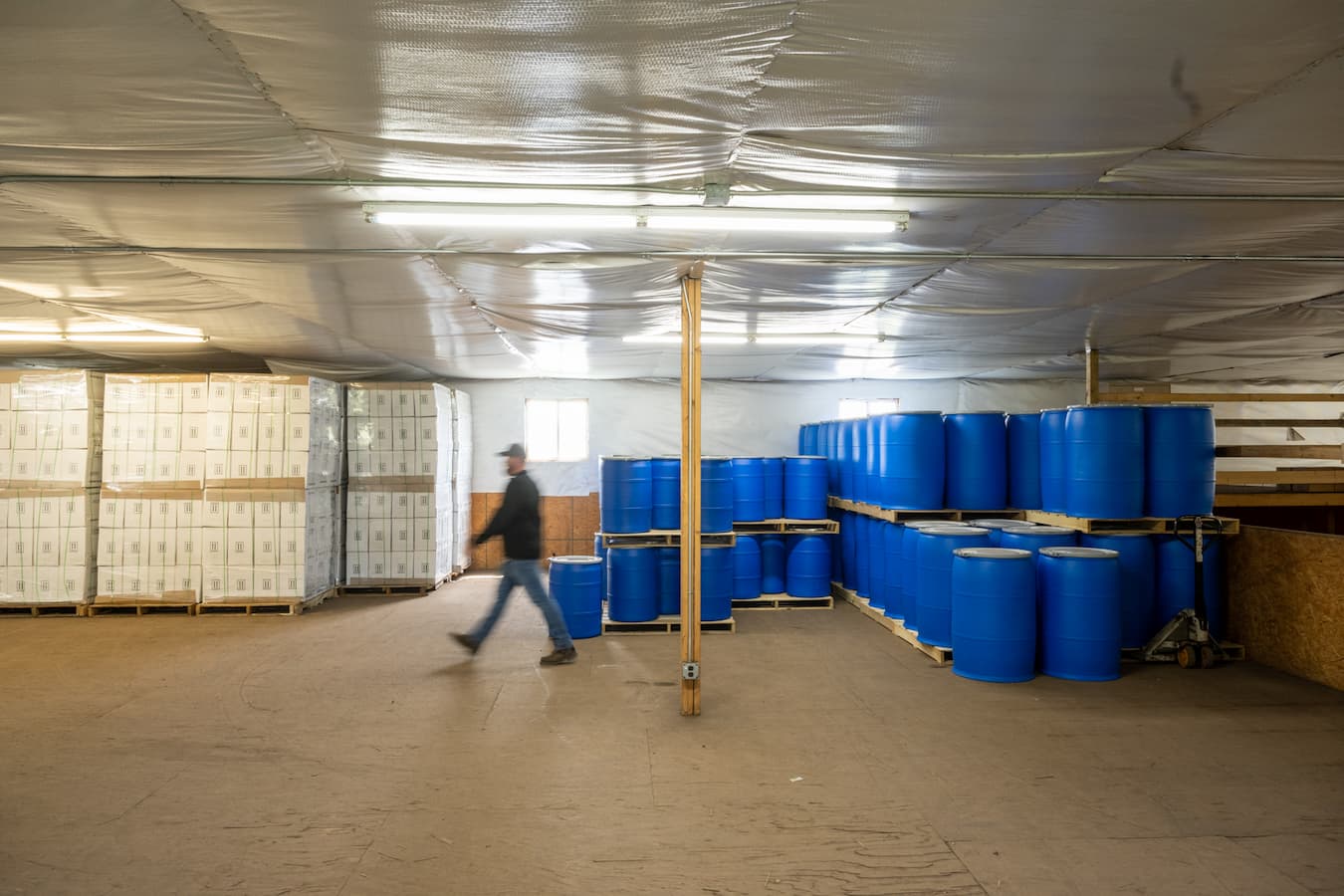
Our home base in Middlefield, OH. 
 
In the last 20 years, we’ve come a long way from that Amish barn—we now have a team of the best agronomists in the business, a state-of-the-art manufacturing facility in Colorado, and presence on every continent except Antarctica (stay tuned 😆)—but the spirit of our company has remained the same since our founding: 
  • Relentless pursuit of new and challenging ideas
  • Consistently questioning the status quo
  • Bringing prosperity to farming communities
  • Discovering opportunities where others find blocks
  • Delivering the highest quality agronomic advice and regenerative products.
Our first 20 years have been an incredible ride. Thank you for joining us: we wouldn’t have made it without you. 

The next 20 years are going to be even better! 
 
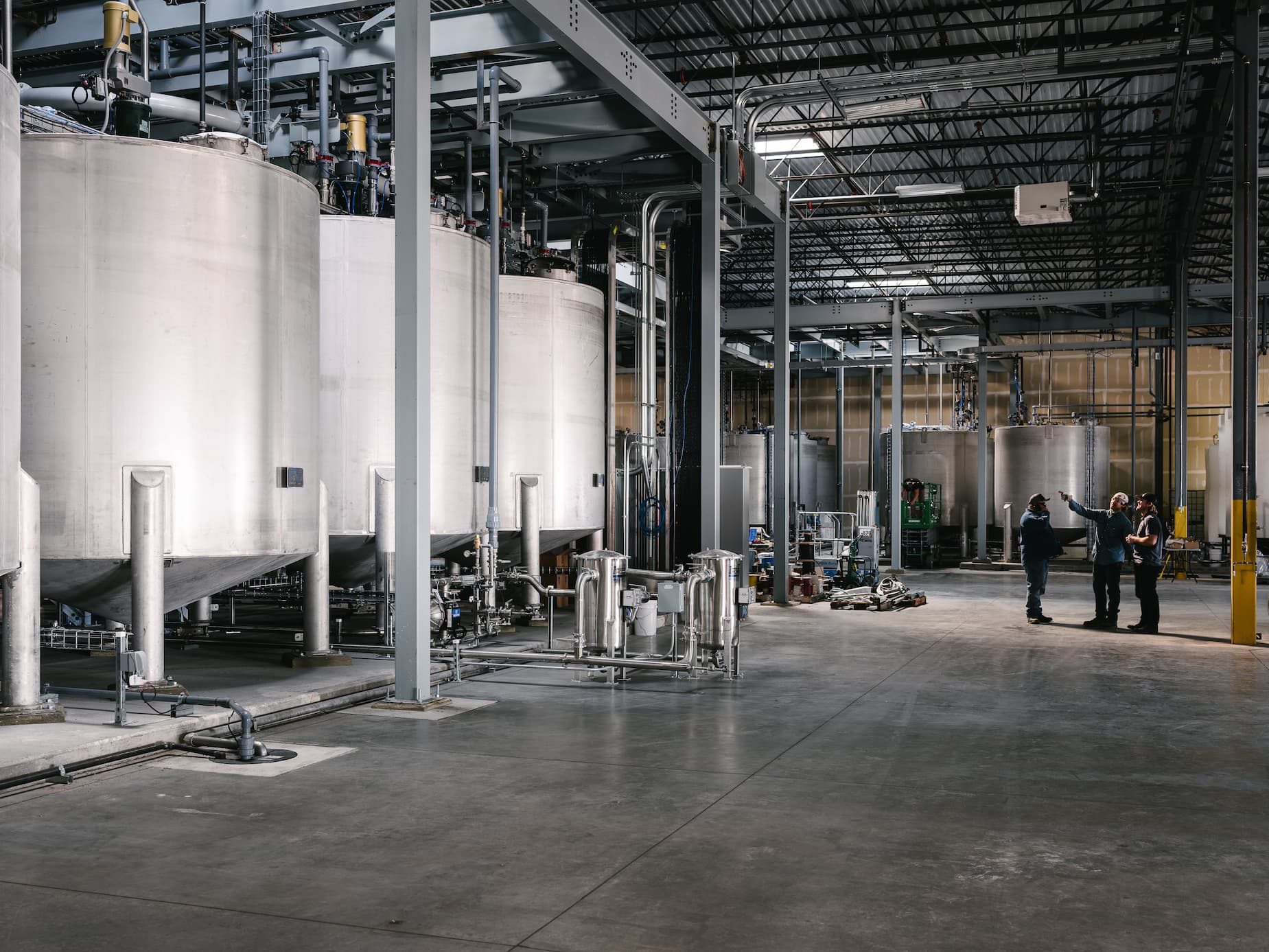
Our manufacturing facility in Aurora, CO. 

2. 📈 80% by 2040
Over the past 2 decades, we’ve had a consistent vision: 
  • To make 80% of global agriculture regenerative by 2040. 
We’re now only 14 years away from our deadline, and this goal remains more urgent than ever. 

We don’t much like to dwell in doom and gloom, but here are some harrowing statistics: 
  • 247 million acres of healthy soil are lost annually worldwide
  • $10.6 trillion lost globally due to soil degradation
  • 4.3 million metric tons of pesticides were used globally in 2025 (a number that continues to rise)
  • A shocking increase in family farm bankruptcies. 
Ok, enough doom and gloom. Let’s focus on how regenerative agriculture can solve each of these problems. 

In a 3-year study, the European Alliance for Regenerative Agriculture found regenerative farms had:
  • 61% less synthetic nitrogen fertilizer
  • 75% less pesticides
  • 20% higher gross margins
Other studies have found:
  • $226 million/year in economic benefits for each 1% increase in regenerative land use
  • 30% Increase in water-holding capability
  • 9 gigatons per year CO2 sequestration potential 
The immensity of these benefits are the reason that we’re so passionate about the work we do, and about educating the world to share what we know—in webinars, workshops, and on YouTube (and, not to brag, but a few dozen competing companies are built entirely off stuff they’ve learned in our webinars). 

Simply put, we can’t get regenerative agriculture to prominence by ourselves! It will take all of us together 
  • Converting every farm, garden, and backyard to regenerative practices.
  • Sharing what you’ve learned with others
  • Supporting regenerative farms and policies.

Enjoy this newsletter? Forward it to a friend! 

3. 👨‍🏫 John Kempf Workshops & other events
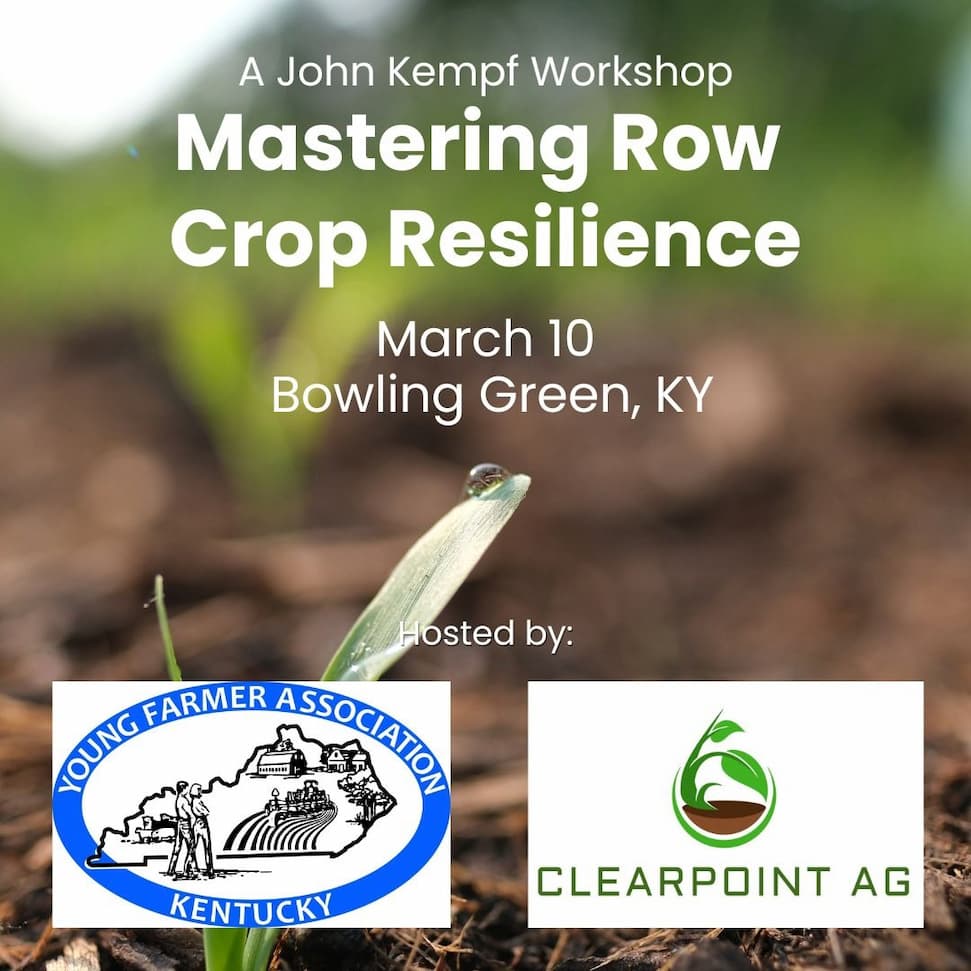
Mastering Row Crop Resilience: A John Kempf Workshop
 
Learn how regenerative practices can increase yields, reduce input costs, and manage pest and disease pressure, all while building long-term soil health.
 
🗓️ March 10 
📍Bowling Green, KY
Register

Florida Citrus Show
 

Stop by AEA's booth for the first ever public demonstration of the Croptix sensor! 

🗓️ March 12
📍Fort Pierce, FL

Register
Maximizing Midwestern Row Crop Profitability: A John Kempf Workshop
 
Join John Kempf for an in-depth workshop dedicated to increasing profits and reducing inputs on Midwestern corn and soybean operations.
 
🗓️ March 24
📍Clear Lake, IA
Register

Rooted in Regeneration: Advanced Nutrition in California Crops

A 2-day intermediate workshop with John Kempf and other AEA experts, hosted by Burroughs Family Farms
 
🗓️ April 7-8
📍Snelling, CA
Register

4. Regenerative Success
We’ve seen so many incredible results in 20 years to convincingly say that regenerative practices work in every crop, location, and context. 
 
Here are a few things that farmers we’ve worked with have done just in the past year: 
  • Complete elimination of herbicides and pesticides in alfalfa at Watte Farms, with >20% N reduction, improved forage quality and increased seed germination.
  • Complete elimination of pesticides at Magnolia Gardens Nursery, resulting in an 84% reduction in input costs.
  • 85% reduction in pesticide costs and 10% reduction in fertility costs in year one on 78 acres of garlic.
  • 50-70% decrease in disease, 30% increase in yield and 70% increase in packout in greenhouse cucumbers at Agricola Campaña
  • 3X state avg yield on Pima cotton, 2X state avg yield on upland cotton at W.R. Johnson & Sons in New Mexico
And that’s just the tip of the iceberg! 

In next month’s newsletter, we’ll be featuring the voices of some of the farmers we work with
See more case studies here

5. The BioCoat Gold Guarantee
Positive ROI or your money back.
 
Brand new: Enroll in the guarantee program, and if BioCoat Gold doesn’t pay for itself with a yield increase, you get your money back.
You can’t lose.
  • Our guarantee ensures your Return (yield gain × crop price) exceeds Product Cost. If BioCoat Gold™ doesn’t turn a profit, we’ll refund you.
Transparent Verification:
  • We use objective yield data from your harvest and production report to prove performance fairly.

Who Qualifies? 

  • Eligible crops: Soy, Corn, Cotton, & Wheat
Designed for serious growers ready to scale.
  • New Customers: Commit to treating 500 acres.
  • Current AEA Customers:  Increase your purchase amount by 50% (min. 500 acres) OR treat 90% of your total farmed acreage.
Apply here

6. 🧭 Trailblazing
With our our experience, field trials, and understanding, we’ve been leading the way in regenerative agriculture for 20 years. 
 
We intend to keep trailblazing, in every category. Here’s what’s going on this year and in the near future: 
  • We’ve expanded our product line beyond purely nutritional products with Pinion™,  our very first product specifically for disease control.
    • Pinion™ has been as effective as conventional fungicides against powdery mildew,
    • We intend to prove its efficacy against a host of other pathogens this year, with our most ambitious slate of field trials ever: we have over 125 trials lined up for Pinion™ this year
  • Next-generation products are in development, including both revamped versions of our classics and entirely new products with superior efficacy, performance, and ease of use.
    • As we expand our product line, we remain dedicated to its integrity: all our products are made in the USA and we source from North America whenever possible.
  • Our confidence in our products’ efficacy has grown into guarantees with the BioCoat Gold Guarantee. Performance or your money back.
  • The Croptix nutrient sensor hits the field this year in cotton and citrus
  • FieldLark AI is the world’s leading regenerative AI agronomist 
Pinion™

7. 🤝 Regenerative Relationships 

Relationships are central to our definition of regenerative agriculture.
 
That includes relationships between: 
  • soil microbes and plants,
  • livestock and landscapes,
  • the people who grow food and the people who eat food.
As seen in ecosystem dynamics, regenerative relationships are symbiotic, synergistic, collaborative, and win/win for all participants.

That’s why we’re excited to be partners with some of the leading and most innovative companies around, including: 
  • Croptix (in-field crop nutrient sensors)
  • Edacious (nutrient density testing)
  • Steward (regenerative capital)
  • GenTrek Labs (soil DNA testing)
  • Market Gardener Institute (education for small farms)
  • Citizens of Humanity (regenerative cotton and supply chains) 
Stay tuned next month, as we feature voices from some of these partners
 

Enjoy this newsletter? Forward it to a friend! 

 Received from a friend? Subscribe here for more. 

You've signed up to receive our newsletter. 
Want fewer emails? {% manage_preferences 'Manage Email Preferences' %}
If you no longer want any emails, {% unsubscribe 'unsubscribe' %}
Advancing Eco Agriculture, Inc.
{{ organization.full_address }}
YouTube
LinkedIn
Instagram
Facebook