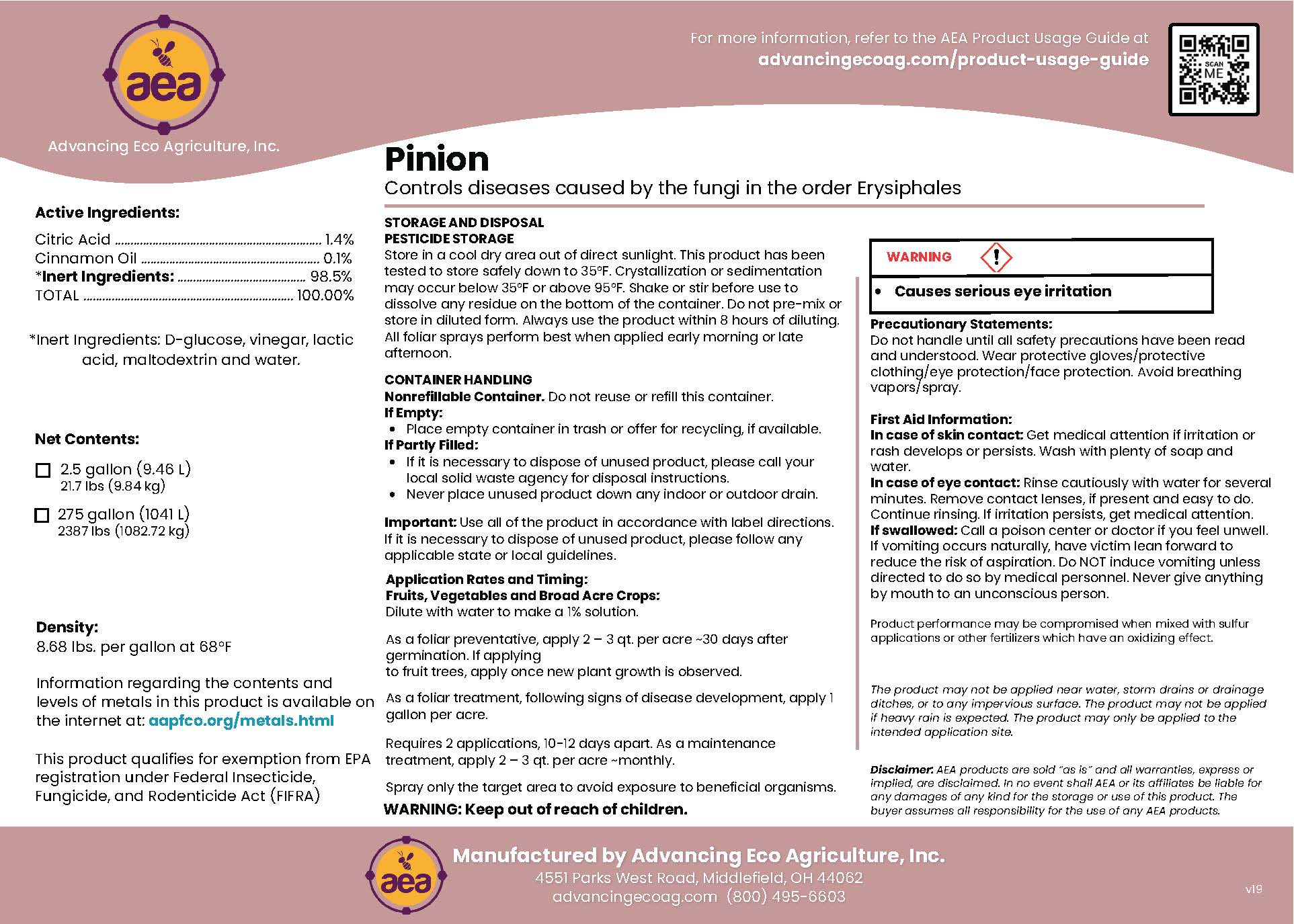
What is Pinion?
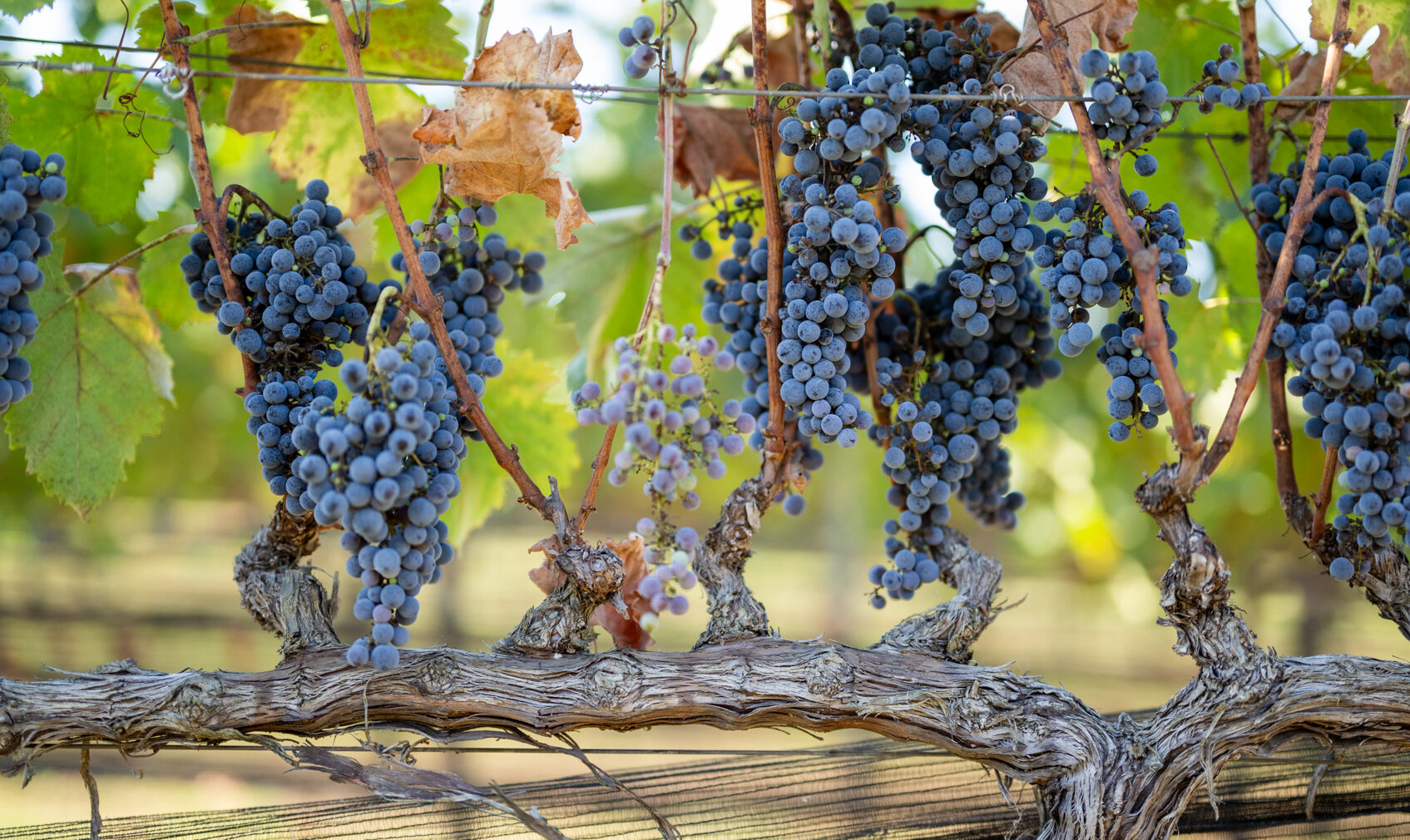
Pinion is AEA’s first disease control product, designed to protect the leaf surface from a wide range of fungal pathogens—without disrupting the plant microbiome.
Effective, easy to apply, and safe when used as directed, Pinion creates an inhospitable environment for disease-causing organisms, helping crops resist new infections and suppressing existing foliar disease pressure.
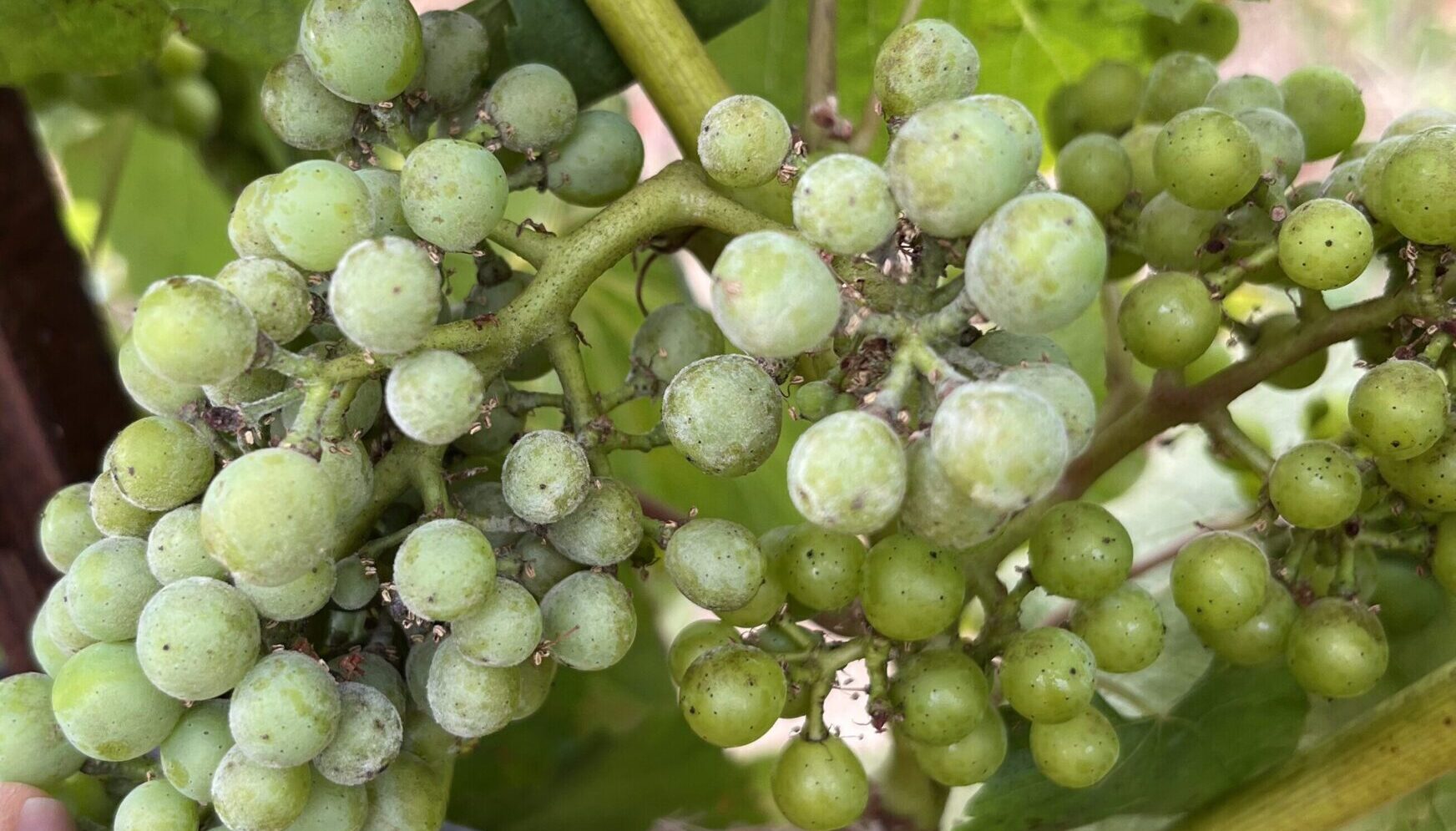
Get diseases under control
Pinion promotes a healthy leaf surface that doesn’t allow diseases to proliferate. In our field trials, Pinion has provided comparable powdery mildew control as powerful conventional fungicides.


Effective, easy to apply, and safe when used as directed
Non-phytotoxic, even under sensitive conditions
True liquid; tank mixes well with other AEA products
Flexible application: Can be used both at the onset of pressure and after symptoms appear
Minimal reapplication—often just one spray at the start of pressure season
Field Trials
- Wine Grapes
- Organic Wine Grapes
- Pumpkins
- Fireblight
Wine Grapes
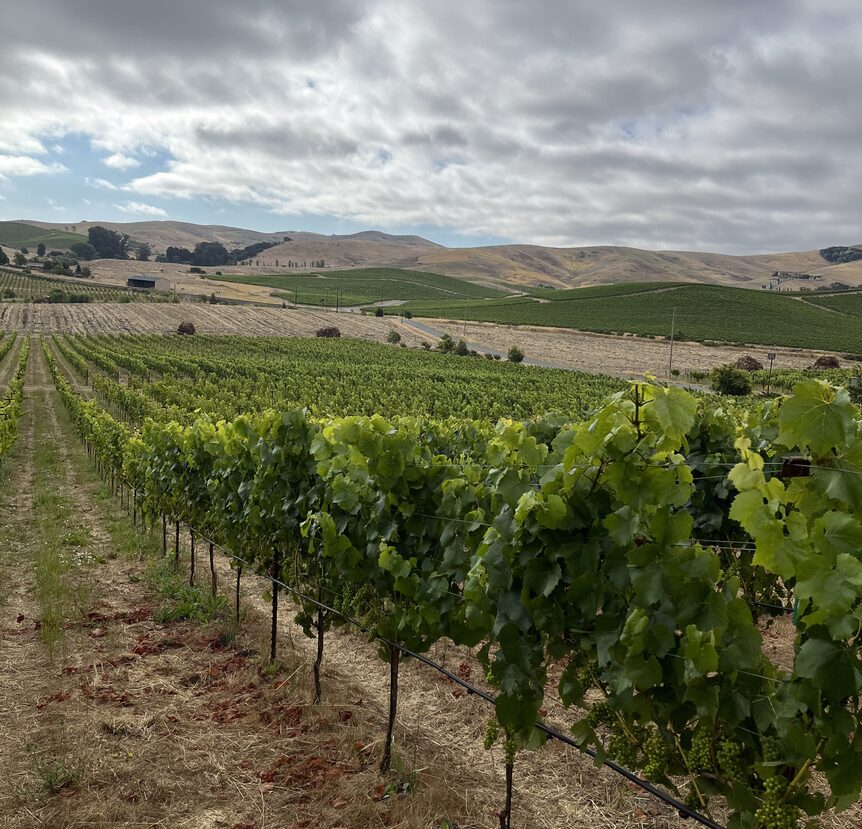
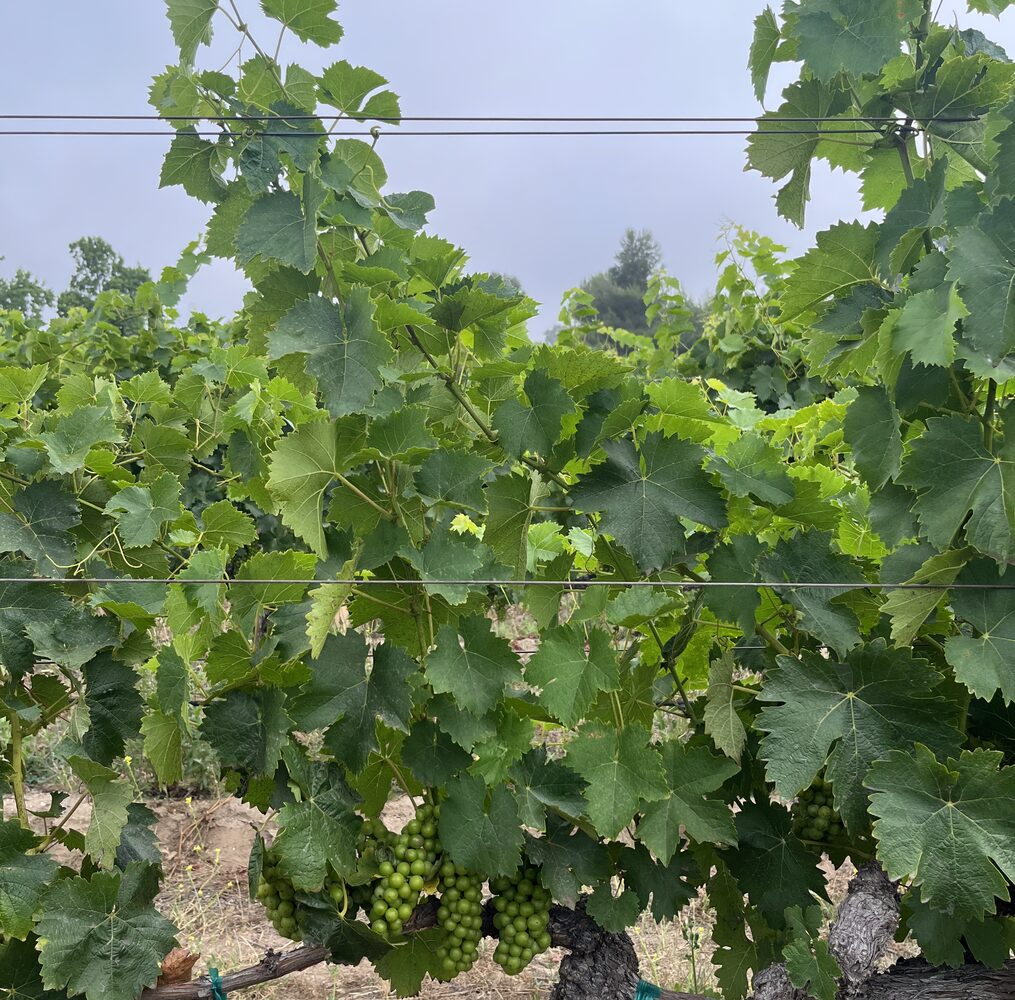
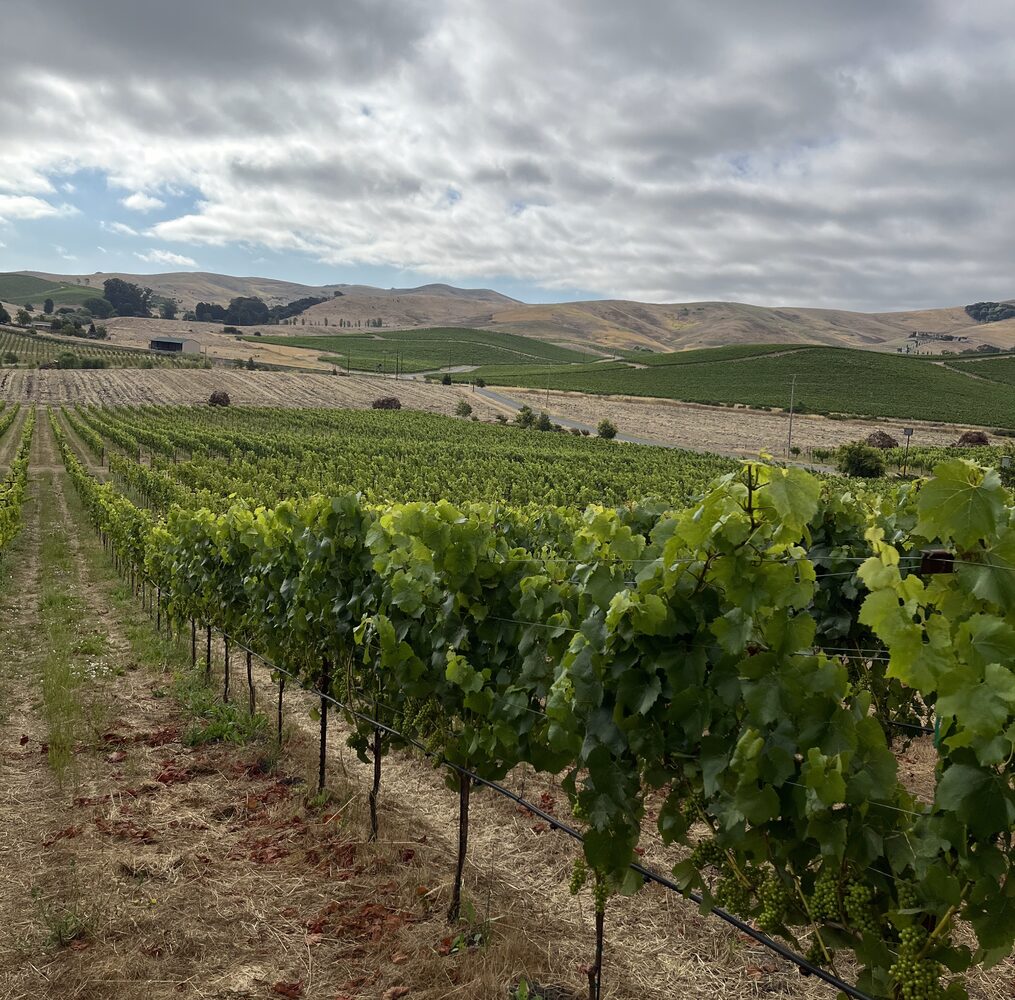
A conventional vineyard in Temecula, CA designated a control block that was treated with conventional fungicides, and a treatment block that was treated with Pinion. The experimental block has a history of high disease pressure, including a complete crop loss from powdery mildew 2 years ago.
Comparable control to fungicides
In 6 rows in the treatment block, an AEA agronomist only found a single grape with powdery mildew
Organic Wine Grapes
An organic vineyard in Napa, CA is in an area with historically high powdery mildew pressure, to the extent that a neighbor gave up and ripped out an entire vineyard. This year, the vineyard applied stylet oil 4 times before Pinion was available. After receiving Pinion, the vineyard designated control and treatment blocks; the control received 3 more stylet oil applications while the treatment got 2 applications of Pinion at a rate of 4 quarts per acre.
Superior Control
Pinion provided superior control to organic stylet oil
Fewer active infestations
39% of observed clusters in the control block had active mildew infestations, while 31% did in the treatment block.
59% less severity
But the greatest reduction was in severity: we noticed a 59% reduction in the severity of powdery mildew in the treatment block.
Pumpkins
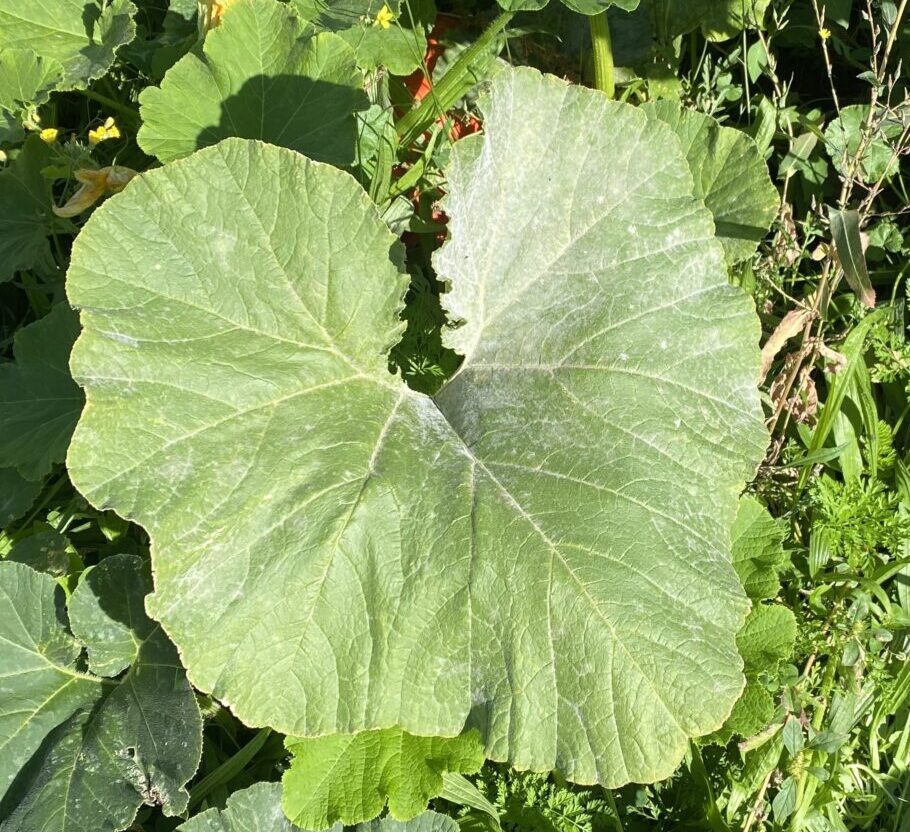
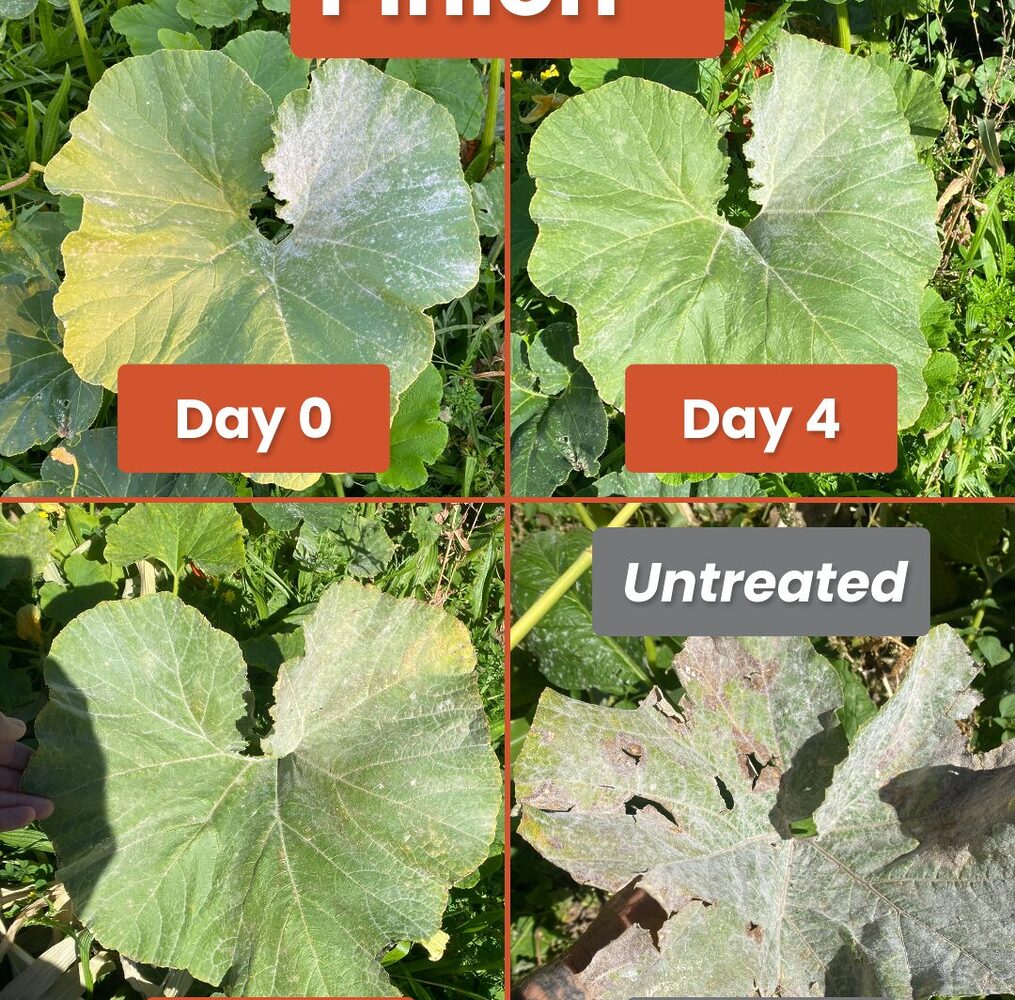
Pinion was applied to organic pumpkins when powdery mildew symptoms had begun (Day 0 in photo) “I wouldn’t have believed this was possible, if I hadn’t seen it with my own eyes.”
The mildew immediately stopped progressing, and gradually faded away.
Meanwhile, in an untreated plant nearby, the mildew completely ravaged the leaves.
Fireblight
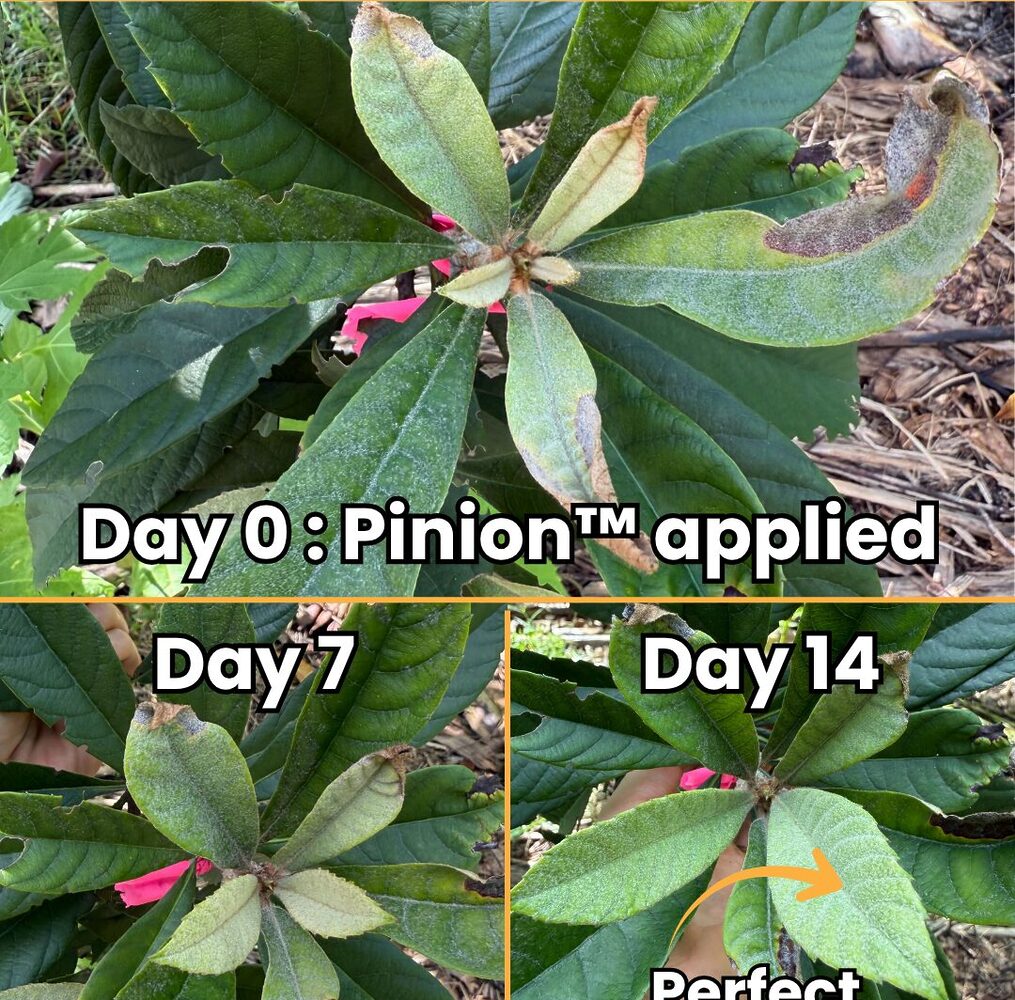
Pinion was applied to Florida Loquat when fireblight began to show.
The new growth that developed afterwards was perfectly healthy, and fireblight-free.
An untreated tree had fireblight on about 70% of new leaves.
How Pinion Works
1. Changing Redox
Pinion™ changes the redox environment on the leaf surface, and to a degree, the redox environment within the plant.
Olivier Husson’s research has demonstrated how pathogens require certain Eh-pH ranges to thrive. Pinion™ changes the plant’s redox environment to becomes inhospitable to pathogens.
People who have tested Pinion™ frequently comment on its speed. In some contexts, Pinion gives a response within 24–48 hours. Changes to the redox environment can happen very quickly, and could be the driver of Pinion’s quick efficacy.
2. Modifying the Microbiome
Pinion changes the microbiome on the leaf surface, inside the leaf, and among associated endophytes.
Pinion changes both the species composition of the microbiome and its genetic expression.
When you add microbial metabolites and other compounds to the leaf’s surface, you create a selective environment that favors some microbes and not others.
Pinion creates an environment that favors phytosanitary bacteria and other beneficial microbes. The altered microbiome both out-competes and directly antagonizes the pathogenic microbes.
3. Immune Activation
Finally, Pinion activates the plant’s immune pathways.
The plant’s mRNA signaling after a Pinion application, shows changes in genetic expression that indicate strong activation of a number of immune pathways.
One benefit is triggering a systemic response that extends throughout the plant.
(We’re still analyzing this effect to fully understand what’s happening.)
Getting Back to Our Roots
Powdery mildew control is what got AEA started back in 2006, with John Kempf’s famous “aha” moment. John’s experience with 2 neighboring melon fields—one with a disastrous powdery mildew infection while the other was virtually untouched—set him on a journey exploring plant health that got AEA to where we are today.
Pinion can help you find your own “aha” moment when you experience a healthy planting free of powdery mildew.

Technical Information
Buy Now
Learn more from John Kempf

December 10, 2025
John Kempf as he explains the purpose behind Pinion™ in this AEA webinar.

September 4, 2025