{% web_view 'View in Browser' %} | Forwarded this email? Subscribe here.
May 2026
5-minute read
Hi Friends, 
 
Regenerative agriculture is fundamentally about relationships.  
 
We talk a lot about how regenerative relationships are fundamentally different from the degraded relationships that define other systems.  
  • Degraded relationships are extractive, selfish, transactional, and generally involve one side winning at the expense of others.
  • Regenerative relationships, however, are symbiotic, synergistic, collaborative, and win/win for all participants.  
What’s cool about regenerative agriculture is that it regenerates relationships at every level of the system: amongst the soil microbial community, between soil microbes and plants, between plants and the animals (or people) who eat them, and within human communities.  
 
Today’s Field Notes is a celebration of regenerative relationships.  
  • We’ll reveal an unprecedented understanding of soil microbial communities thanks to GenTrek Labs’ soil DNA sequencing. 
  • We’ll hear from some of AEA’s growers and partners about their relationship with AEA.
  • We’ll share some field days we’re  taking part in in the community.
Here's what's on the docket: 
  1. GenTrek Labs' soil DNA sequencing is open for business 
  2. Reducing Nitrogen: Infographics
  3. Next Level Analysis at AEA R&D
  4. "My trust is absolute": an Interview with Greg Pennyroyal of Wilson Creek Winery
  5. GenTrek Experiments at Wilson Creek Winery 
  6. A Systems-Level Perspective: Dr. Laura Kavanaugh
  7. Best of the Blog: Rethinking Soil Fertility in Market Gardens
  8. Events & Field Days
  9. Photo of the Month: Frost resilience in apples

1. 🧬 GenTrek Labs launches soil DNA sequencing
At AEA, we always say, “if you can measure it, you can manage it.”  
 
Unfortunately, soil biology—the key driver of regenerative agricultural systems—has been difficult to measure, except in indirect ways.  
 
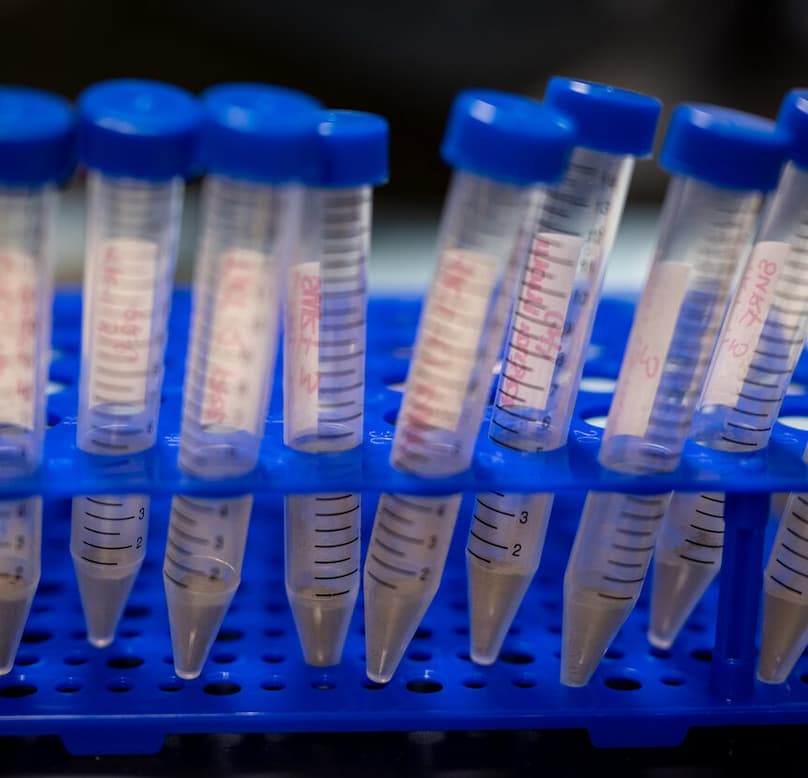
That has changed in a major way with the availability of affordable DNA testing. By sequencing the DNA of the soil microbiome, we can get a precise picture of the soil’s biological makeup.  
That’s why AEA is excited to be a partner and investor in GenTrek Labs, which offers actionable soil DNA tests to farmers, gardeners, and researchers.  
 
GenTrek Labs is now taking orders from the public for soil DNA Sequencing!
Order a DNA test
A GenTrek report provides:  
  • High level scores on the microbiome’s diversity, stability, functional potential, and risk balance. 
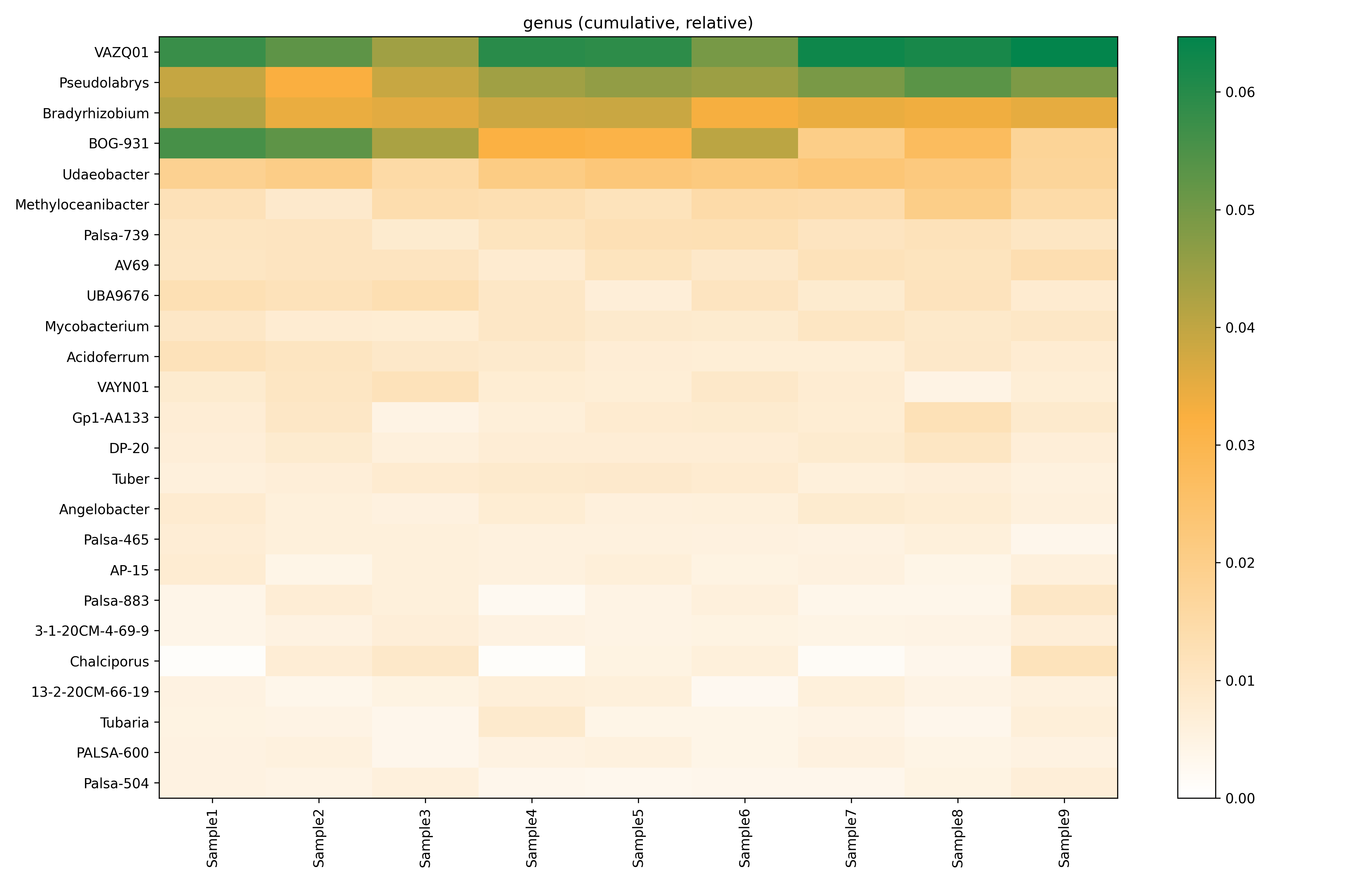
  • Heatmaps comparing the relative abundance of microbial genera between fields, broken down into bacteria, fungi, archaea, and protists. 
  • An appendix describing what exactly those microbial taxa are and what exactly they do (just in case you’re not a microbiologist).  
You can see a sample report from GenTrek here.
GenTrek’s report provides practical guidance on steps a grower can take to improve their soil microbiome.  
 
Some questions a GenTrek test can help answer:  
  • Are my biological programs actually working? 
  • How do my fields compare to each other? 
  • Is this biological input delivering real value?
  • Which intervention is the least harmful to soil biology?  
The goal is to distill the complexity of soil biology into clear, usable, and actionable insights for the field. 
A heatmap from a GenTrek Labs report showing relative abundance of bacteria. 

Keep reading to hear from:  
  • AEA’s R&D team on how they’re using GenTrek data to evaluate new products
  • One of the first people to use GenTrek Labs: longtime AEA partner Greg Pennyroyal, who has big plans this year for DNA testing.
  • GenTrek’s founder Laura Kavanaugh, on what it’s been like to partner with AEA 
Visit GenTrek Labs

2. 📊 Infographics: Nitrogen Reduction
We’ve been sharing strategies on how growers can reduce their reliance on synthetic fertilizers as prices go through the roof.  
  • We’ve written on our blog.
  • John Kempf has done a number of webinars on biological nitrogen management:
    • With Acres USA.
    • With the Minnesota Soil Health Coalition. 
It's not a simple topic; there’s a whole lot of information to digest.  
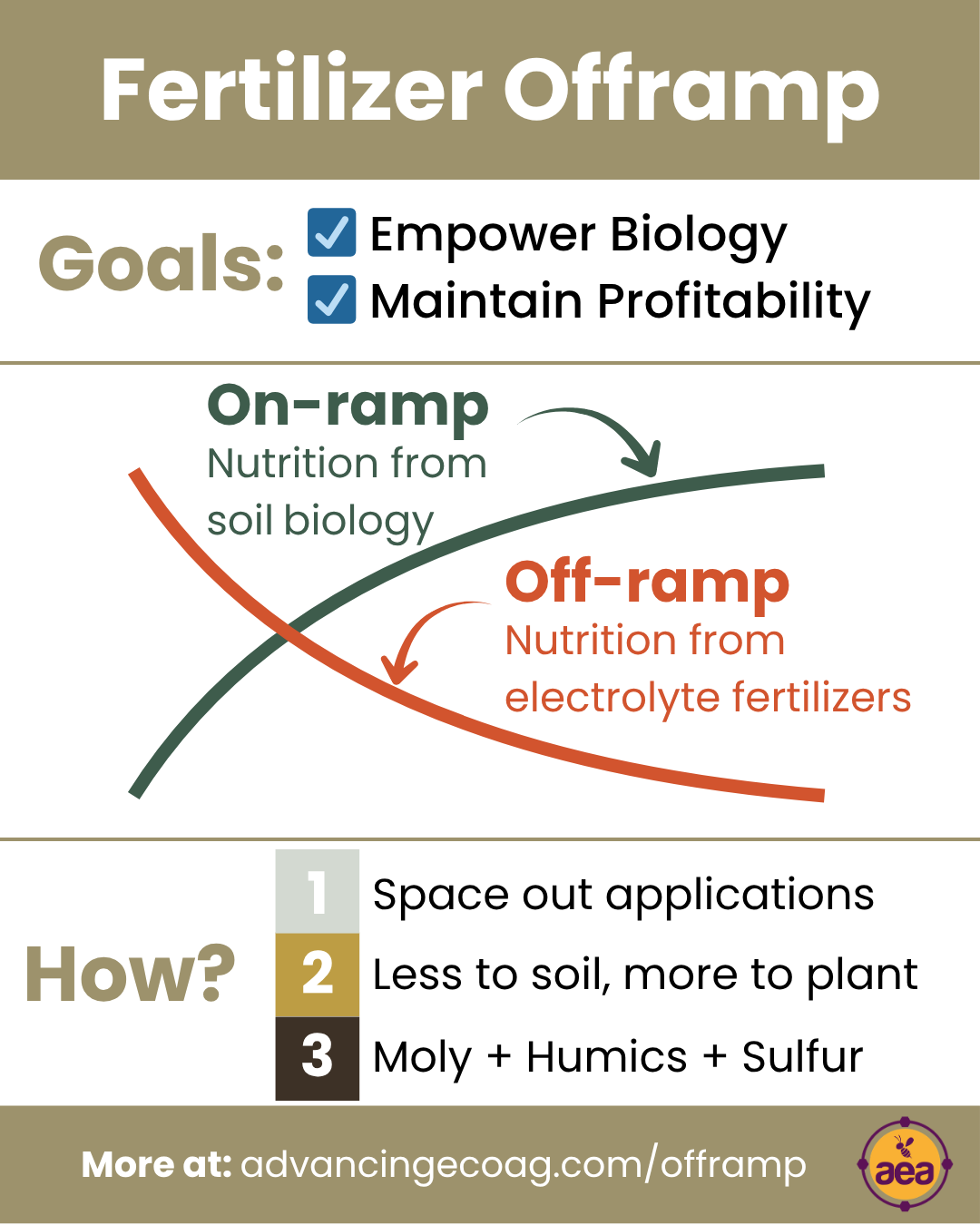
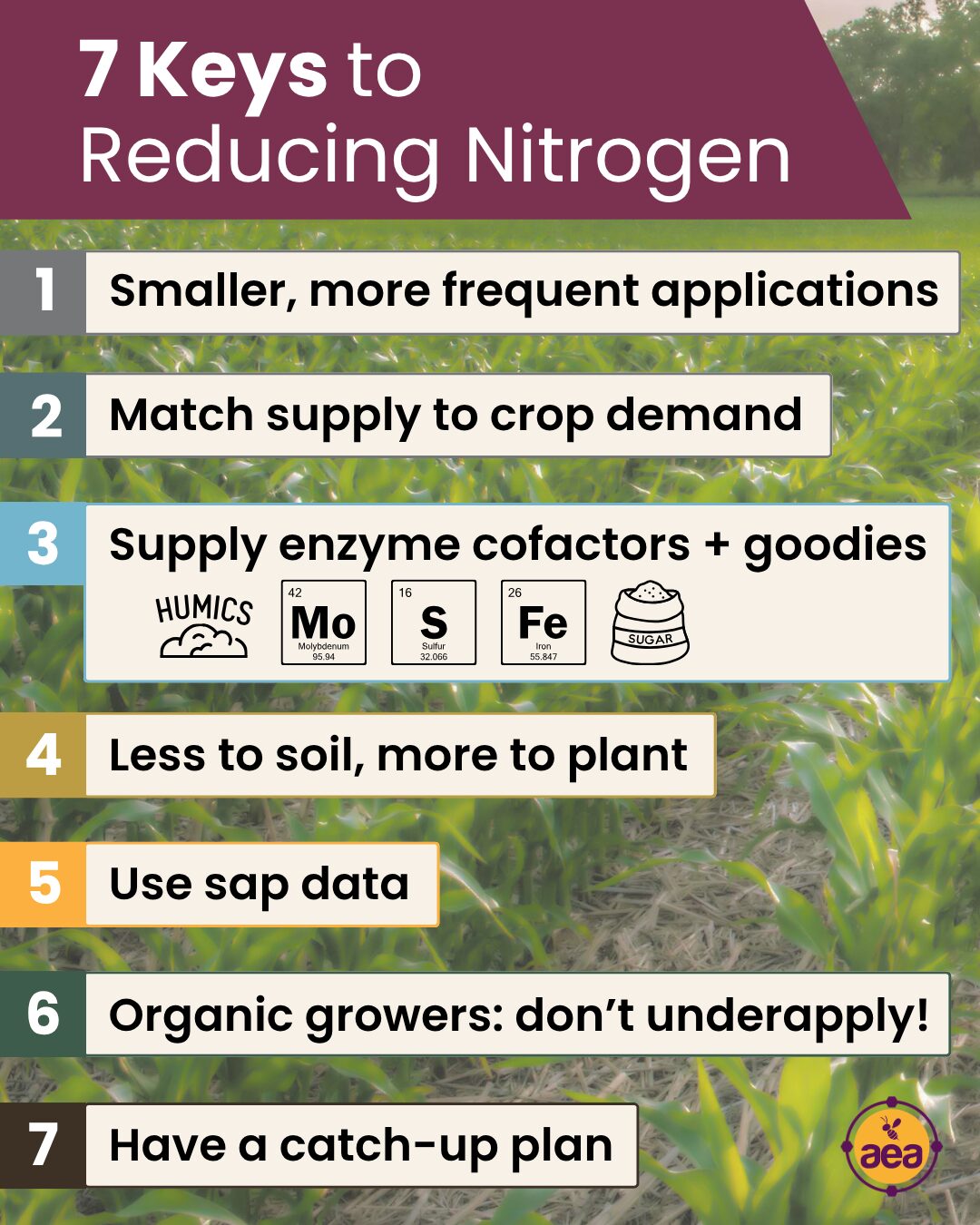
  • We made these infographics to get across as much information as concisely as possible, and let growers know there’s a better way to manage nitrogen.
  • You can click on them for downloadable versions. 
They are easily shareable on social media if you want to get the word out and help farmers survive this volatile ag economy.  

3. 👩‍🔬 Next Level Analysis at AEA R&D
At AEA, our R&D team used GenTrek Labs' DNA testing to analyze last summer’s field trials of Revenant Charge™.
  • Since Revenant Charge is designed to stimulate soil biology, GenTrek’s testing is the perfect way to understand precisely how it does.   
The results showed:
  • Revenant Charge™ increased overall microorganism populations 
  • It fostered a more diverse and more functional microbial community.
  • Mycorrhizal and saprophytic fungal families were more abundant and diverse in treated plots.
  • Revenant Charge selectively increased beneficial biology, not bad biology. 
See the full GenTrek report on Revenant Charge™
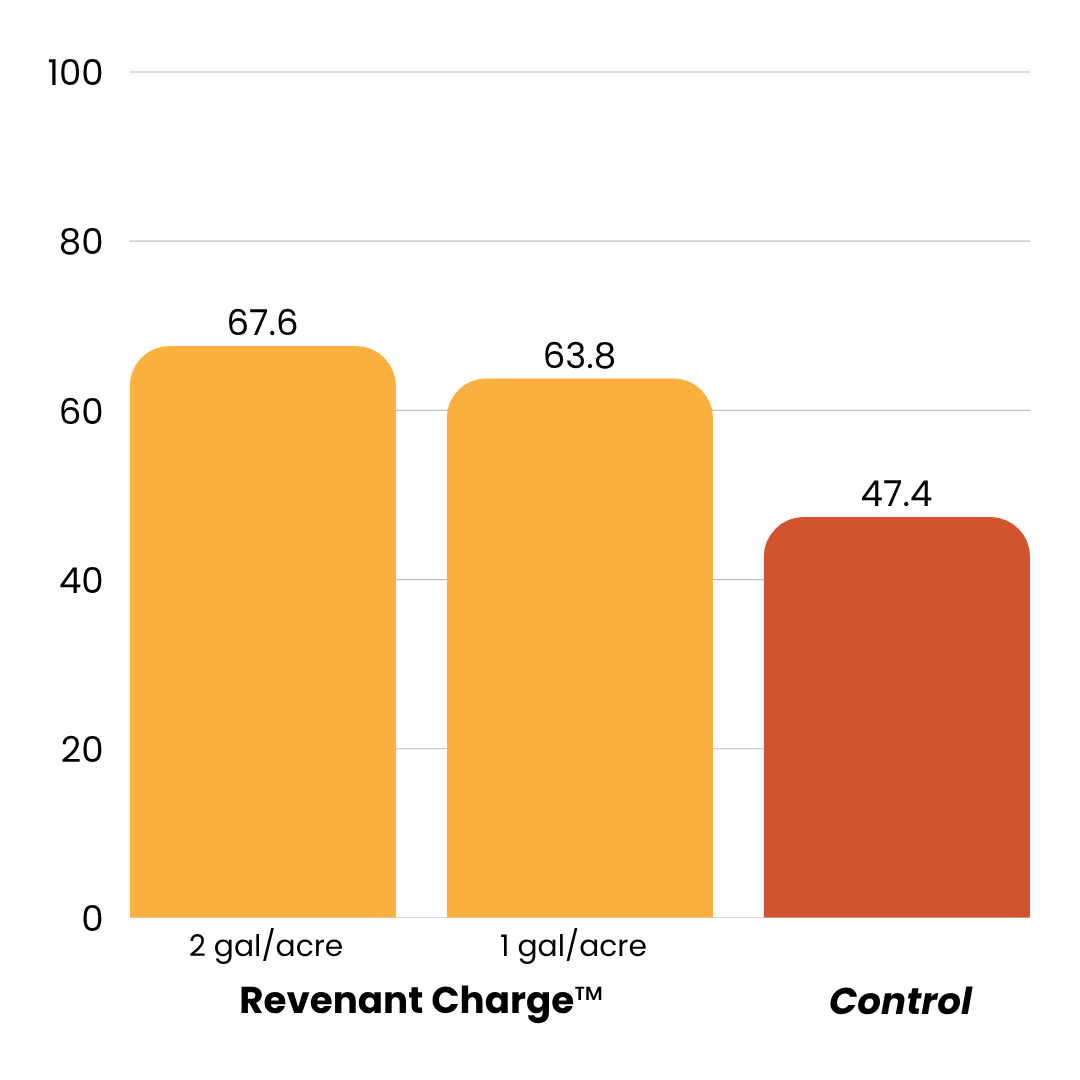
The Haney test results from the same trials showed great improvements in soil health. After 8 weeks, 2 gallons/acre of Revenant Charge provided:  
  • 20% increase in available P over the control
  • 32% increase in available K over the control
  • 6% N savings equivalent
  • +83% greater increase in H₂O Org. C+N vs. Control
  • +11.8% CO₂-C Respiration vs. −42% in control 
What’s fascinating is that the DNA test explains the mechanism for those improvements. 
 
“The Haney results are chemical: they show improvements in nutrient availability and many other things. But the microbes prove it,” said Ethan Pawlak, AEA’s Chemist. “Our perspective at AEA is that we want the biology to be doing the work. To now be able to see the picture of what’s happening with the biology is transformative." 
“The Haney test just shows that the microbes are breathing,” added Emma Dreher, Regulatory and Research Specialist. “We saw from the DNA sequencing that the Revenant Charge plot had a lot more diverse microbial community. It’s able to show us what is actually doing the work.” 
 
Our team has big plans to use GenTrek Labs data in developing the next generation of AEA products. Stay tuned for what’s coming down the pipeline. . . . 

Revenant Charge™​

  • Low-cost, high-impact boost for soil biology.
  • Unlocks tied-up soil nutrients and reduces input costs.
SHOP NOW

Enjoy this newsletter? Forward it to a friend! 

4. 🥂 "My trust is absolute" 
For AEA's 20th Anniversary, we are featuring interviews some of our longtime grower partners.  
 
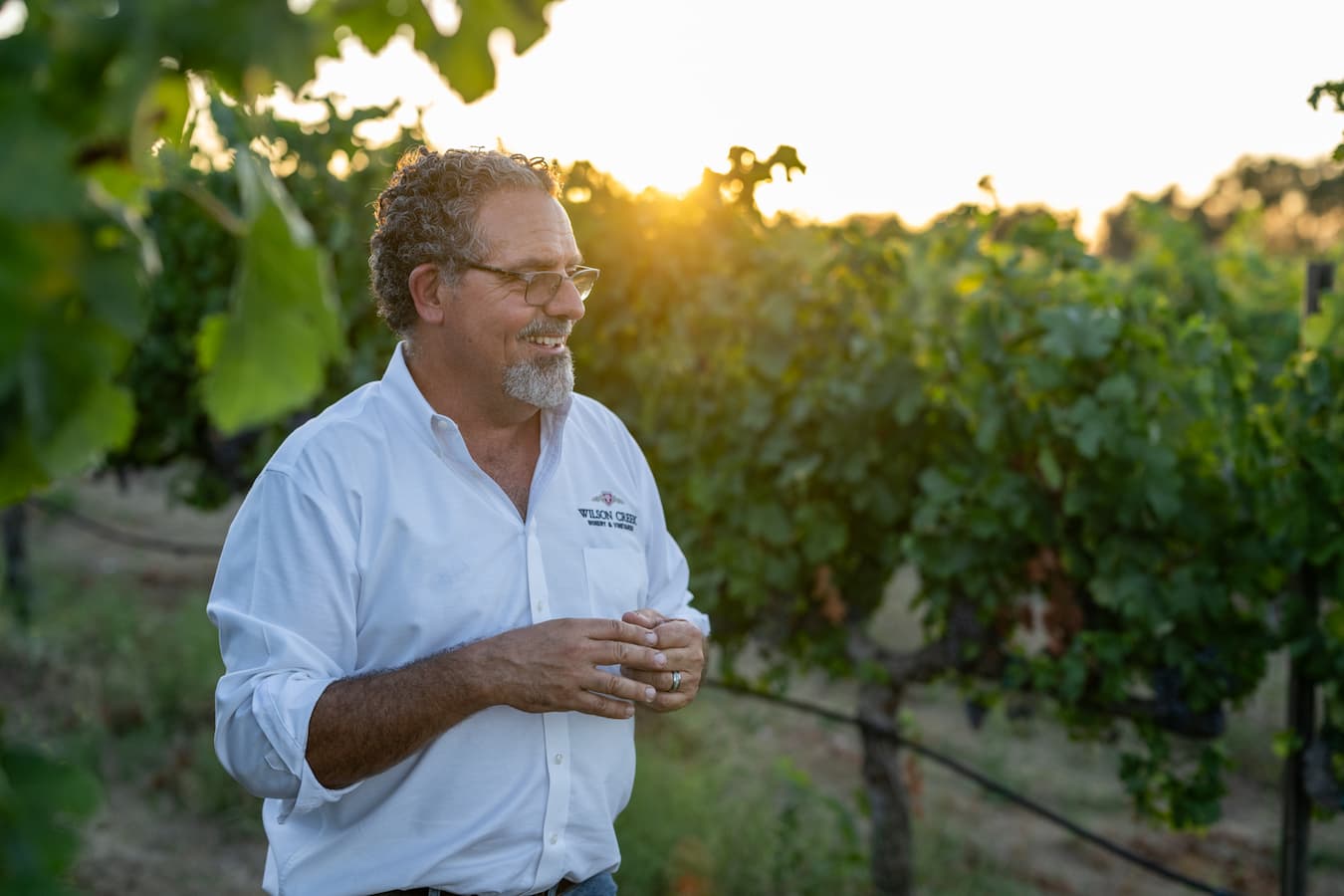
Greg Pennyroyal is vineyard manager at Wilson Creek Winery. If you’re not familiar with the incredible results Greg has achieved with AEA’s regenerative program, check out the detailed case study on our website, chronicling  
  • >5°C reduction in soil temperature 
  • 257% increase in soil health based on Haney analyses 
  • Smoother wine fermentation curve 
  • Better control of powdery mildew even with 50% fungicide reduction
  • And much more!  
Read the Case Study
In a former career, Greg worked in health products studying medicinal plants. In that work, he consulted with Dr. Arden Anderson to understand the effect of a plant’s microbiome on its medicinal properties.  
 
“Arden said, ‘Hey, next time you’re at Acres, I have to introduce you to this Amish kid. This kid’s on fire.’”  
 
Which is how Greg met John Kempf.  
 
“When I saw the things that John was doing, it just made sense. When things connect like that, you know you are approaching the truth. Because when you look at nature, everything connects to everything else. . . . Oftentimes, if you're on the cutting edge of everything, to quote The Hitchhiker's Guide to the Galaxy, ‘oops, wrong planet.’ You look around and go, ‘did I show up on the right planet here? Is this like the way things really work?’ And then when I met John, everything started to make sense.” 
 
As vineyard manager at Wilson Creek Winery, Greg first implemented a full regenerative system on a trial block: Block Nine.  
 
“Block Nine consistently outperforms the rest of the vineyard in every marker. The soil is noticeably spongier. The grapes out of Block Nine don't taste like grapes, they taste like wine. Our winemaker noticed Block Nine had a beautiful smooth fermentation curve. Block Nine is now our Regen flagship wine. We've converted pretty much the whole home vineyard to regenerative. But it was the experience that had we had a Block Nine that gave us the courage to do that.” 
Greg Pennyroyal in the vineyard. 
Here at AEA, we can confirm that Greg has always been on the cutting edge, including: 
  • using AEA products for 10 years,
  • Beta testing FieldLark.ai,
  • Helping develop our Integrity Grown standard for winegrapes
  • Running our first field trials on Pinion™.  
He was also one of the first people to use GenTrek Labs’ DNA testing.
  • Greg took samples from a number of vineyard blocks this year. 
“The fungal diversity is easily double in our experimental blocks versus our control. Archaea almost tripled. Bacteria wasn't that different, which doesn't surprise me that much, because what we have is bacterially dominated soils. So that affirms a basic theory about where we're going with these soils. But this was all just to test the technology.” 
 
Greg has big plans for GenTrek this coming year; more on that in the next section.  
 
We asked Greg to reflect on his long working relationship with AEA.  
 
“There are a couple of things that are completely unique about [AEA] as an organization and as a business. For starters, my trust is absolute. I have never felt like I was trying to be sold something that I didn't need. I'm never on guard. Whereas with almost every other business I work with, I'm like, ‘do I really need this? Or are they trying to meet some quota?’ After all this time, you have never backed off of your ethics and that is a big deal.” 
See Wilson Creek Winery's complete GenTrek Report

5. 🍇 GenTrek Experiments at Wilson Creek Winery 
After putting GenTrek Labs’ DNA testing through its paces, Greg Pennyroyal has three fascinating plans to make fruitful use of it this year:  
 

1. Disease Resistance 

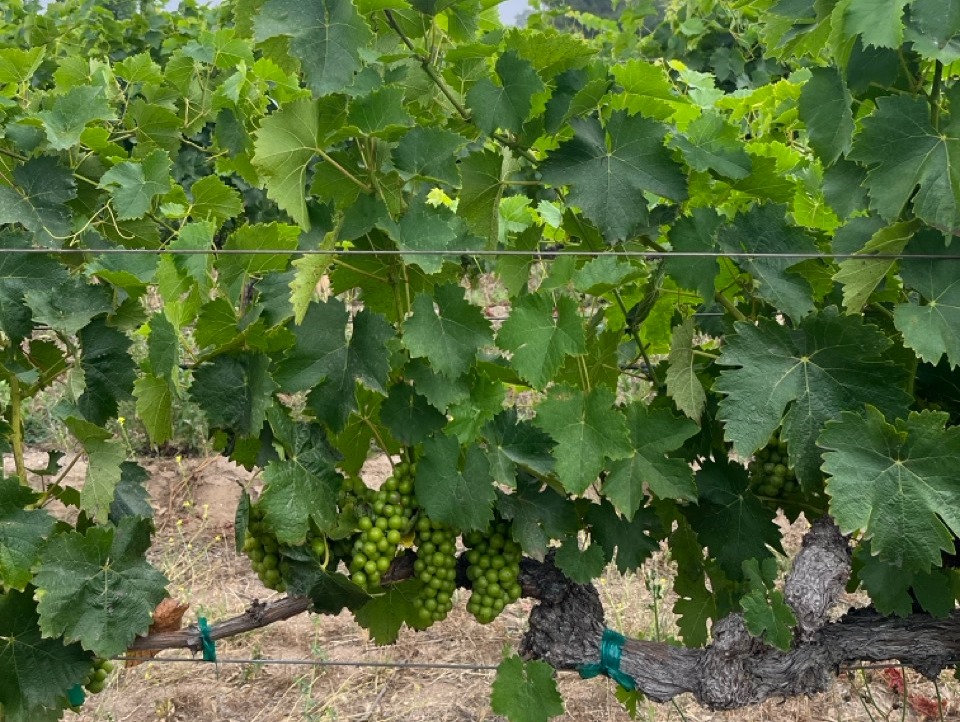
“Last year I trialed Pinion™ on one block that persistently had powdery mildew," said Greg Pennyroyal.
 
"It performed as well as or better than my best synthetic, which is Pristine. It also performed better than Serenade or Milstop. This year we are trying Pinion across all the regen blocks.”  
 
They will pull samples a day or two before spraying Pinion, again three days after spraying, and another 10-12 days after spraying.  
 
“What we're looking for is if we have a high level of powdery mildew resistance, is there a genetic marker that tells you that you've reached a threshold where you don't need to be spraying every 14 days? That's the promise of this. We’ll see if there is a genomic fingerprint that shows that you have a certain level of phyllosphere protection.”  
Healthy growth from Wilson Creek winery's Pinion™ trials.

2. Wild Fermentation 

“Two years ago, we had wine spontaneously ferment in the tank. That’s usually a bad thing, because wild yeast is very unpredictable, and it immediately starts to produce aldehyde and sulfites. You just smell it. But this started to ferment and it smelled great. So we just let it go. And quite frankly, it's the best Syrah we've ever made. It's phenomenal. 100% native yeast, great fermentation.”  
 
Greg suspects that by spreading pomace into the vineyard, he accidentally inoculated the vineyard with commercial cerevisiae yeast, which found a comfortable home in the vineyard’s complex microbiome. That yeast then inoculated the wine.  
 
DNA testing of the fruit’s microbiome (carposhere) will see if Greg's hypothesis is correct, and if Wilson Creek can leverage the newly native cerevisiae yeast to make future phenomenal ferments.  

3. Curing Eutypa dieback 

Wilson Creek Winery has a 12-year-old block in which all of the vines have developed severe symptoms of Eutypa dieback.
  • Eutypa usually spreads from pruning cuts down rows of neighboring vines.
  • Because in this instance it appeared simultaneously throughout the whole block, Greg suspects that the disease may have been dormant in the nursery stock.
  • Most people have recommended pulling out the block.  
“The question we have is, if we do a higher dose of Pinion and maybe an extra foliar or two, can we get that vine to not only outgrow it, but to go into a reductive cycle and cure it?" says Greg.
 
"If that's actually possible, then it opens up a whole other realm for managing fungal diseases, where you don't have to rip out the vine, because you can turn it around. That would be a big deal for a lot of growers, because fungal diseases are definitely on the rise.”  
 
Testing through GenTrek will determine if there are DNA markers for surviving Eutypa dieback.  

We are excited to see the results from these trials, and will share whatever Greg lets us!  

6. 🔬 A Systems-Level Perspective 
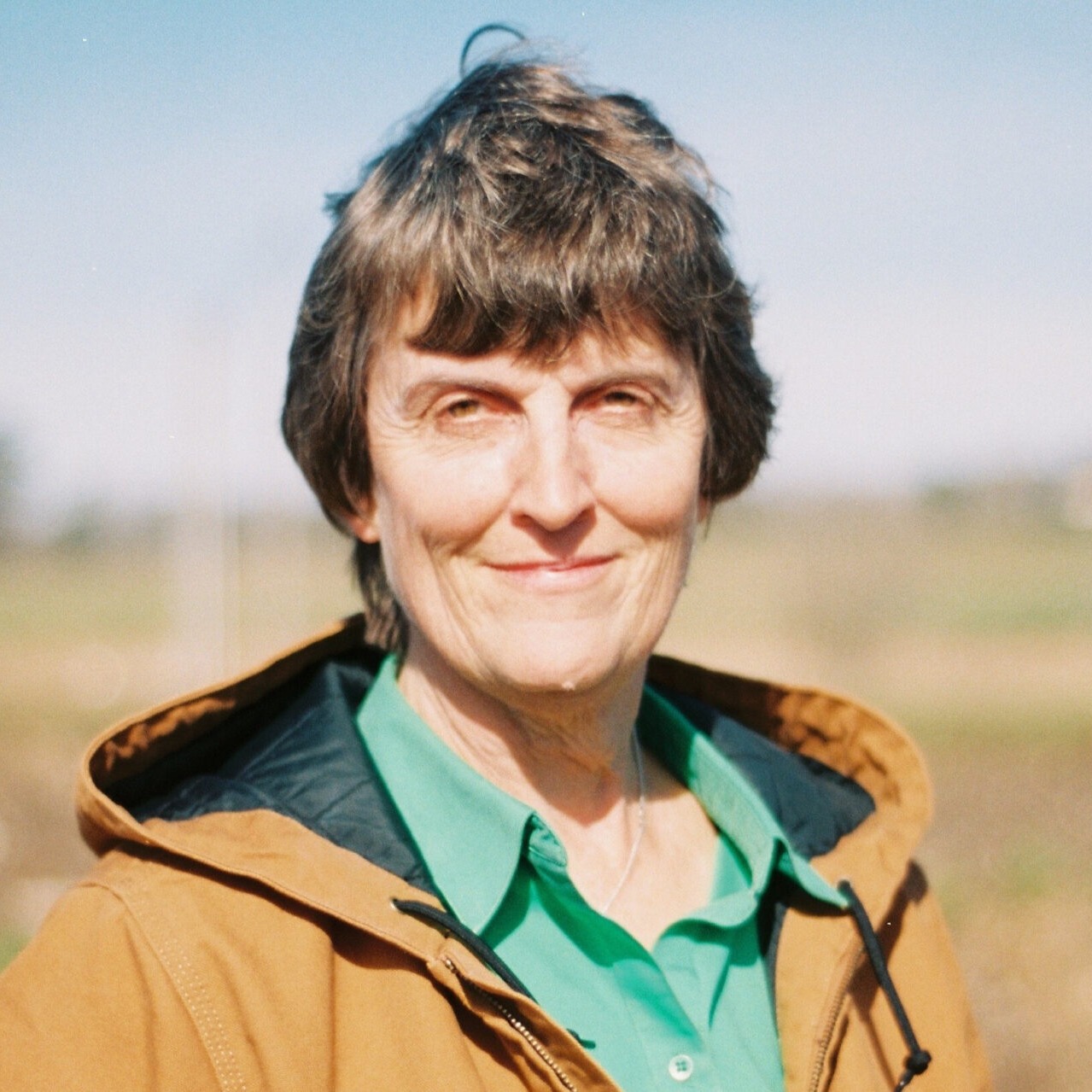
We asked Dr. Laura Kavanaugh, Founder of GenTrek Labs and former Chief Science Officer at AEA, to reflect on what partnering with AEA means to her.  

By Dr. Laura Kavanaugh
 
What stands out most to me about AEA is how early they saw where agriculture needed to go.   
 
AEA has been a true thought leader in recognizing the importance of regenerative farming and building a practical system of knowledge and products to make it successful in the real world. They have moved agriculture toward improved food nutrition, reduced chemical exposure for both farmers and consumers, and restored the natural systems that support long-term sustainability. 
What makes AEA’s impact especially significant is its systems-level perspective: supporting soil biology, increasing ecosystem diversity, improving water dynamics, and ultimately enhancing resilience in the face of environmental pressures.  
 
This is not just about improving yields or profits; it’s about enabling the transition from extractive agriculture to biologically-driven regenerative systems that can support generations to come.   
 
The partnership between GenTrek Labs and AEA is a natural continuation of that vision. By applying cutting-edge DNA sequencing technology, we can actually see biology that was once invisible, providing clear, measurable insight into how regenerative practices influence the microbiome. That visibility creates a powerful feedback loop, enabling continuous refinement and improvement of AEA’s methodologies. 
 
On a personal level, it has been deeply gratifying to be part of the AEA vision and to now contribute tools that can help strengthen it even further. The transition from extractive to regenerative agriculture is one of the defining challenges of our time, and AEA has been at the forefront of that movement for two decades. It has been an honor to work alongside them.
 
At GenTrek Labs, we’re excited to continue supporting and amplifying their impact with tools that deepen understanding and accelerate progress. 
Visit GenTrek Labs
 

7. 🥕 Best of the Blog: Rethinking Soil Fertility in Market Gardens
Many growers don’t realize that excess fertility can be as big a problem as a lack of fertility.
  • This is especially true of market gardeners, who tend to apply compost routinely, regardless of their soil’s desperate cries for help, telling them to cut back.  
On our blog, AEA Agronomist Katie Meyer questions conventional wisdom on fertility in market gardens.
 
Her article is essential reading for every market gardener and compost-user.
"Fertility excesses, not deficiencies, underlie many of the weed, pest and disease pressures growers experience today," Katie writes. "And unless growers rethink how they interpret soil tests and how they time and scale fertility, these pressures only intensify as production increases." 
 
She identifies problematic patterns to watch out for, essential nutrients for disease prevention, and an alternative way to think about compost. 
Read the article

8. 👨‍🏫 Field Days & Events

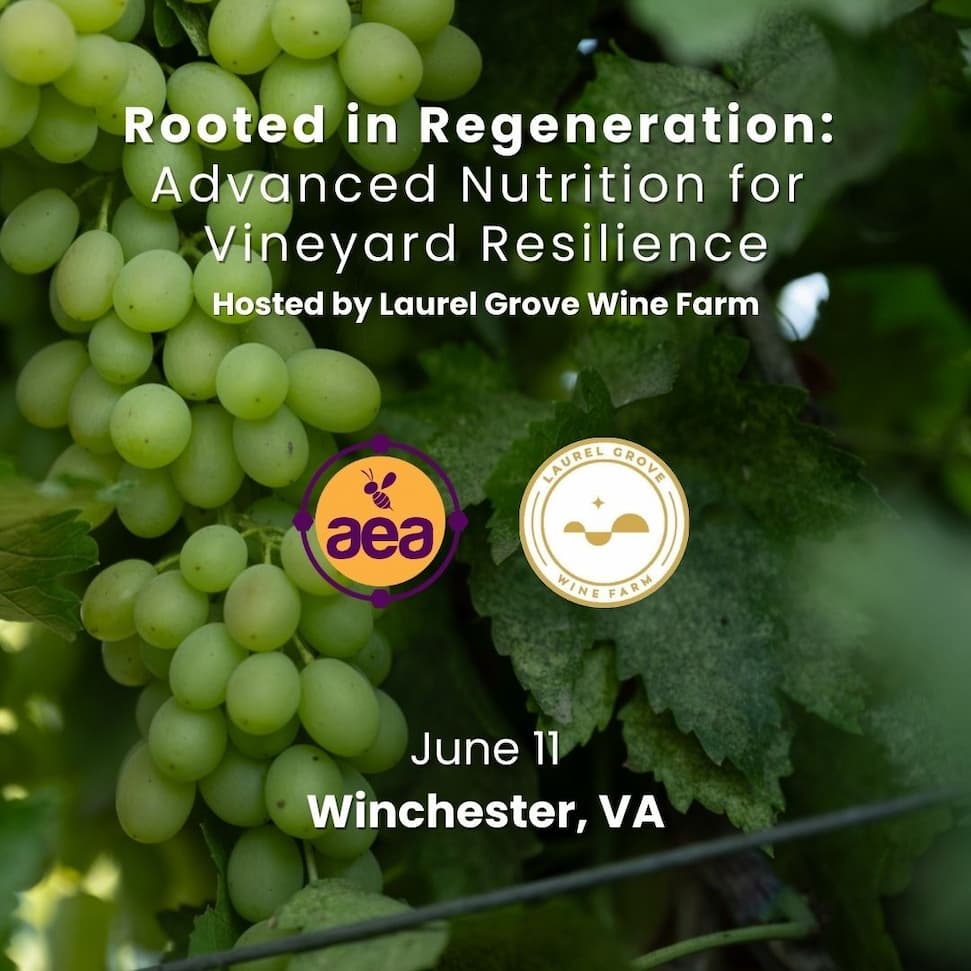
Advanced nutrition for vineyard resilience


Join AEA's grape expert Pedro Rioseco at Laurel Grove Wine Farm for a FREE field day. 

🗓️ June 11
📍Winchester, VA

Register

9. 📸 Photo of the Month
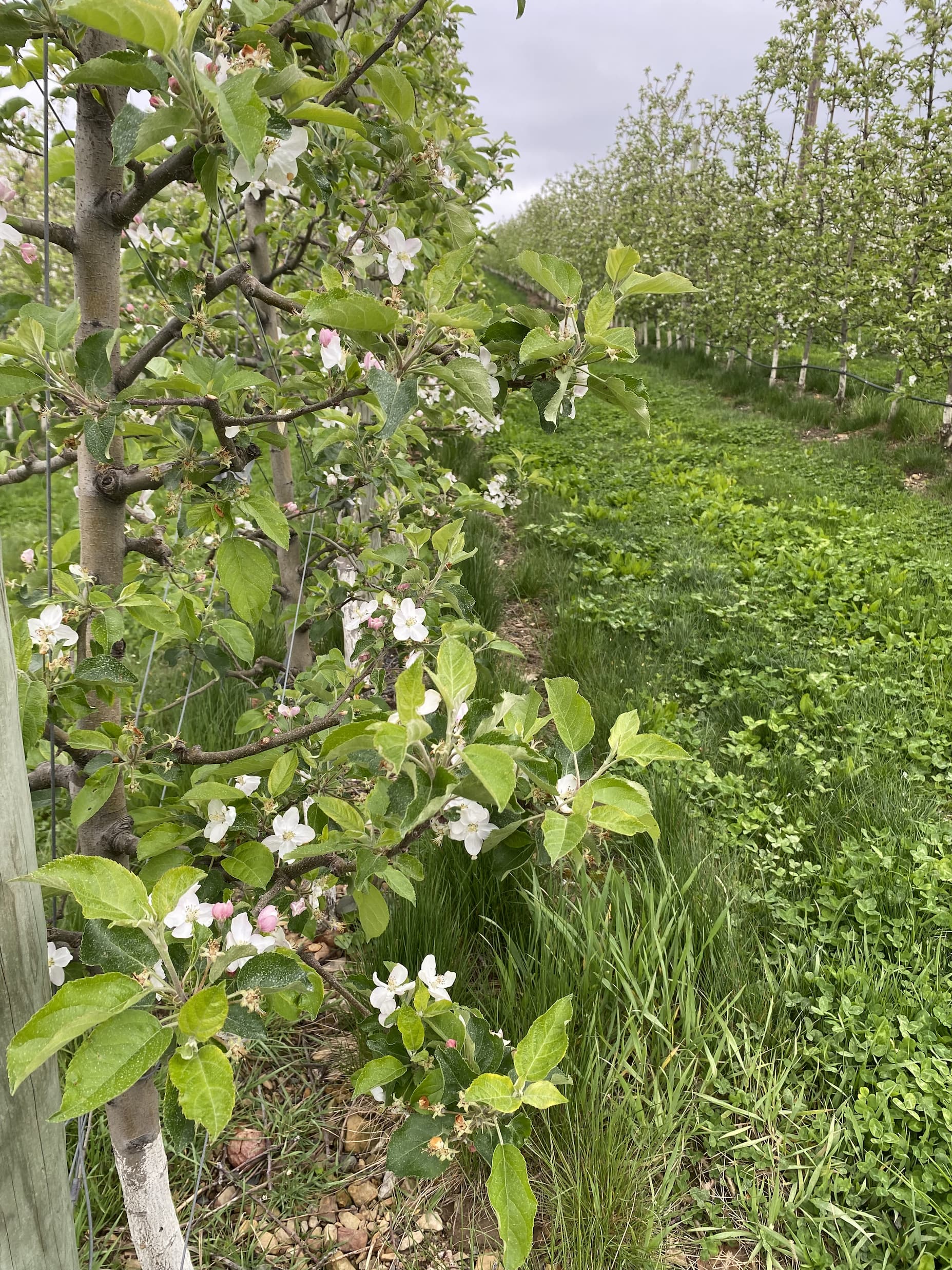
We got this roller coaster pair of texts from Green's Fruit Farm in Central PA: 
 
April 22: "In other news, we lost all of our peaches and 80% of the apples in the freeze yesterday"
 
April 29: "We are seeing a strong secondary bloom. Other neighboring orchards are not seeing this. I am thinking that this could be a result of our work with AEA last year and this spring. I will keep you posted, but it’s exciting to see the flowers!"
[pictured]
 
 
Seeing an entire season's crop perish in the span of a few hours is absolutely heartbreaking. It's equally thrilling to help growers with a nutrition program to help their crop withstand freezes.
 
This is far from the first time we've seen it, and it certainly won't be the last.  

Frost's fiercest foes: 

Image of PhotoMag™
PhotoMag™
$38.00
Helps increase photosynthetic efficiency.
Shop now
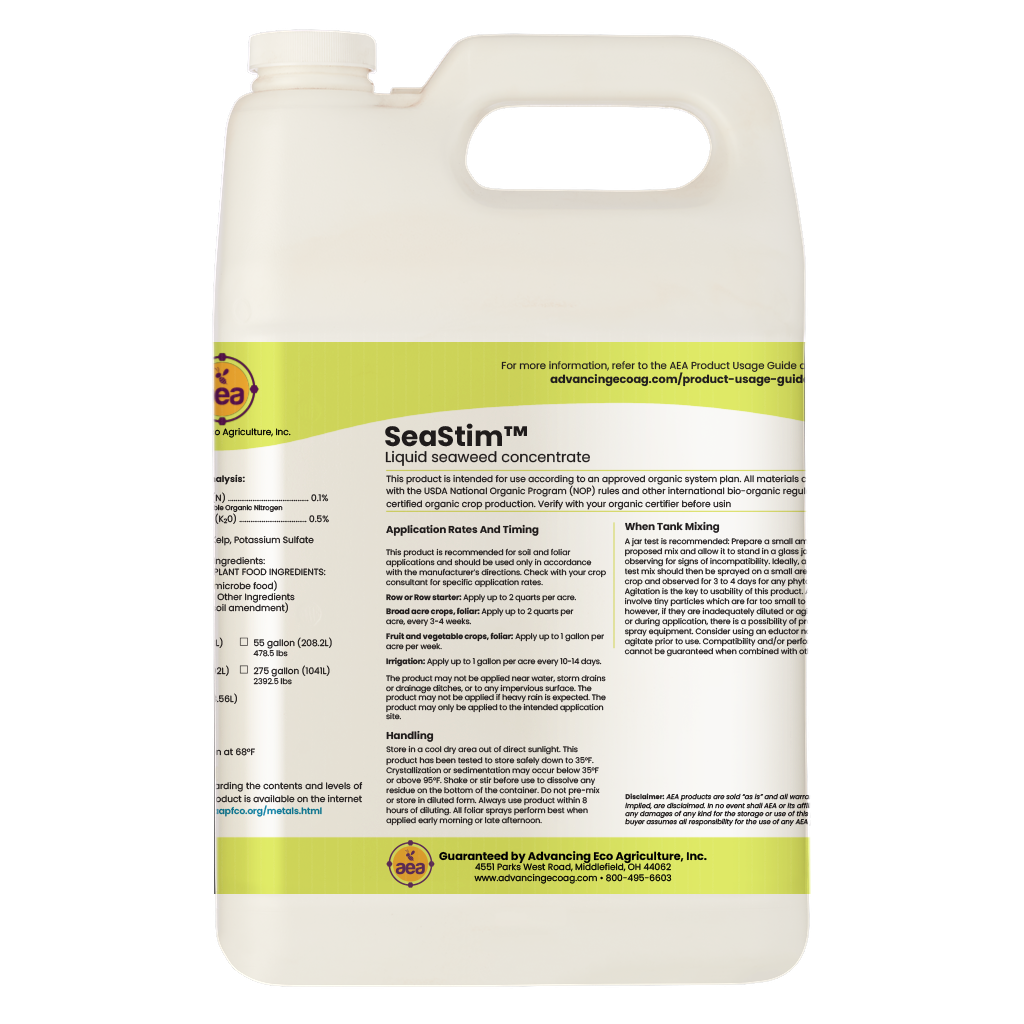
Image of SeaStim™
SeaStim™
$39.26
Cold-processed kelp extract.
Shop now
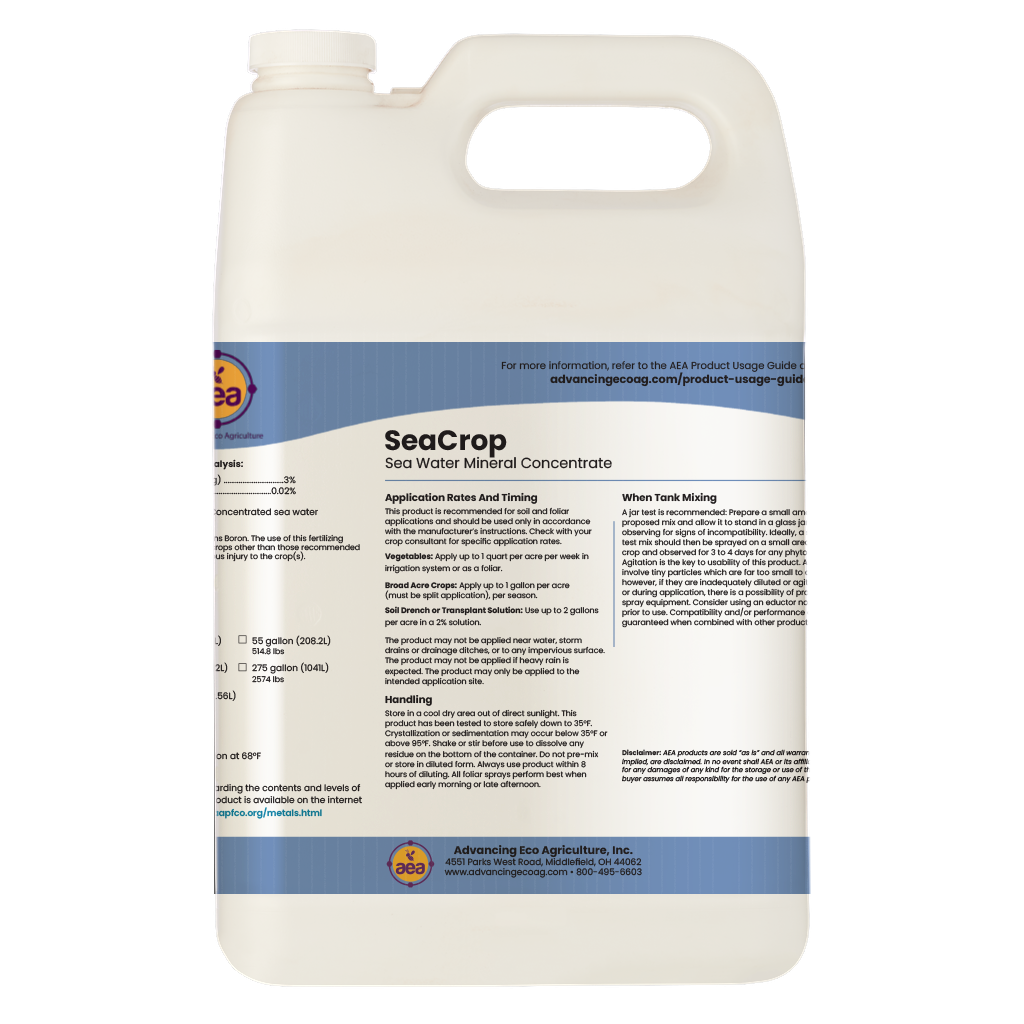
Image of SeaCrop™
SeaCrop™
$17.00
Desalinated seawater concentrate.
Shop now

Enjoy this newsletter? Forward it to a friend! 

 Received from a friend? Subscribe here for more. 

You've signed up to receive our newsletter. 
Want fewer emails? {% manage_preferences 'Manage Email Preferences' %}
If you no longer want any emails, {% unsubscribe 'unsubscribe' %}
Advancing Eco Agriculture, Inc.
{{ organization.full_address }}
YouTube
LinkedIn
Instagram
Facebook